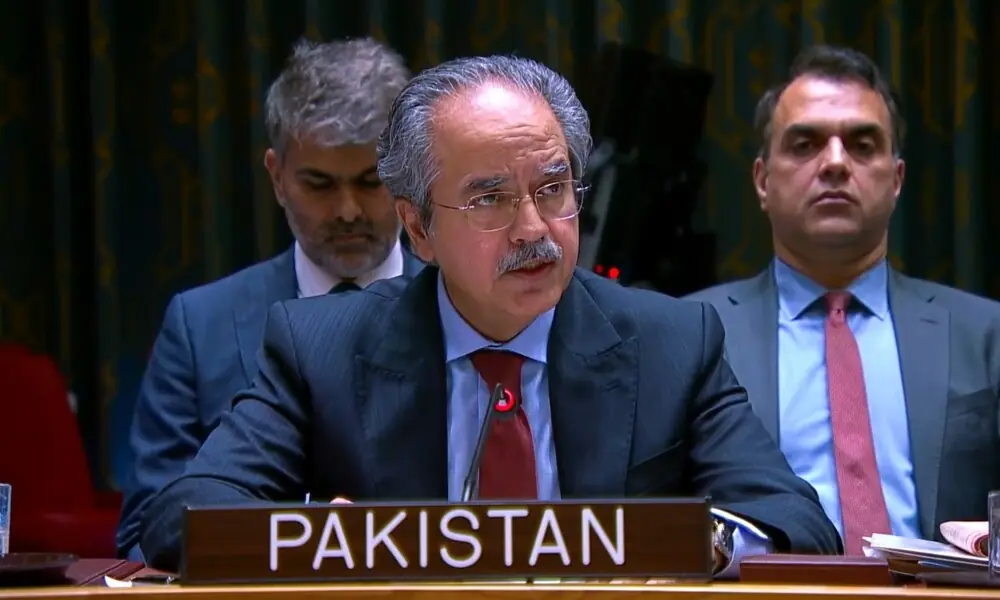
Pakistan strongly pushed for diplomacy over sanctions during a United Nations Security Council meeting on Iran’s nuclear program. The Council voted on a resolution to prevent the return of economic sanctions on Iran. However, the resolution failed to get enough votes to pass. Pakistan, along with Russia, China, and Algeria, supported the resolution. Nine members opposed it, while two abstained.
Ambassador Asim Iftikhar Ahmad, Pakistan’s permanent representative to the UN, warned that sanctions could destabilize an already fragile region. He said Pakistan, as Iran’s neighbor and friend, opposes any actions that increase tensions. He urged all parties to give diplomacy a chance. Pakistan wants peaceful negotiations to solve the nuclear dispute without threats or force.
Read more: US targets Iran’s military financing in bold sanctions move
Last month, France, Germany, and the UK triggered the “snapback” mechanism to reimpose UN sanctions on Iran. These sanctions include bans on arms sales, missile development, and nuclear technology. Iran is also dealing with a recent war with Israel and ongoing financial difficulties. Tehran said it will protect its interests and respond to any unlawful actions.
During the Security Council meeting, Russia rejected the snapback move, calling it illegal and outside the agreed processes. China also warned that rushing the vote could increase tensions and harm diplomatic efforts. The UK defended the snapback, saying it was legal and justified under the nuclear deal. France stressed Iran’s nuclear activities violated agreements and threatened global peace.
Read more: U.S. sanctions hit India’s Iran port deal
Pakistan called on all sides to prioritize dialogue and cooperation. The country believes peace is the only way to solve the issue. The UN vote showed deep divisions among members over the Iran nuclear crisis. Despite the failed resolution, Pakistan continues to push for calm and negotiations. It hopes diplomacy can still prevent conflict in the region.