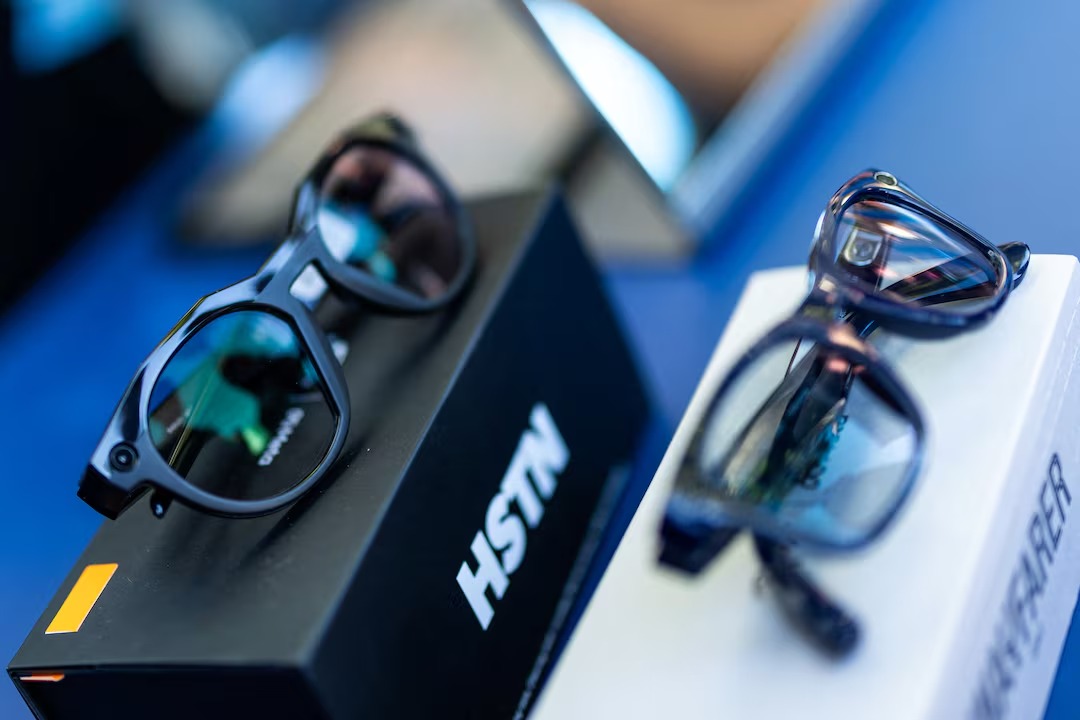
Meta has launched its first consumer-ready smart glasses with a built-in display, aiming to expand the success of its Ray-Ban line and strengthen its position in the competitive AI race. CEO Mark Zuckerberg introduced the Meta Ray-Ban Display and a new wristband controller at the company’s Connect event in Menlo Park, California, receiving applause despite some demo glitches. The glasses, priced at $799, will be available in stores on September 30 and include a wristband that converts hand gestures into commands such as answering calls or responding to texts.
Zuckerberg highlighted that glasses are the perfect tool for bringing artificial intelligence into everyday life, calling them the “ideal form factor for personal superintelligence.” He said the wearable devices allow people to stay present while benefiting from AI capabilities that enhance communication, memory, and senses. The Display glasses feature a small digital screen in the right lens for notifications and basic tasks, positioning them as an advanced yet practical step toward Meta’s long-term vision of wearable technology.
In addition to the Display glasses, Meta introduced Oakley-branded Vanguard smart glasses priced at $499 and designed for athletes. These glasses connect with platforms like Garmin and Strava, offering real-time training data, post-workout summaries, and nine hours of battery life. They will be available starting October 21, targeting fitness enthusiasts looking for cutting-edge technology in sports eyewear. Meta also refreshed its previous Ray-Ban line, improving battery life and camera quality while increasing the price to $379, compared to $299 for the earlier generation.
Industry experts noted that while sales of the Display glasses may initially be modest, the product represents an important milestone for Meta’s planned 2027 launch of its Orion glasses. Analysts compared the release to Apple’s early smartwatch debut, describing it as a necessary step toward normalizing wearable AI devices. Despite Meta’s efforts, Zuckerberg acknowledged challenges during the demo when some features failed to perform, but the audience responded with encouragement and support.
Furthermore, market researchers believe Meta’s innovations could significantly influence the wearable technology industry. IDC projects a 39.2% increase in global shipments of augmented and virtual reality devices, estimating 14.3 million units for 2025. While experts say Meta must still refine the software experience and convince consumers of the benefits, they recognize the potential for these devices to reshape how people interact with technology. The advancements also position Meta as a leading force in the growing market for AI-powered smart glasses.