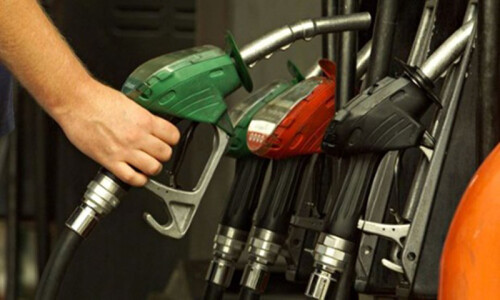
The government announced a slight increase in diesel rates while keeping the petrol price unchanged for the next fortnight. The Finance Division confirmed that the petrol price remains at Rs264.61 per litre, while the high-speed diesel (HSD) price rises by Rs2.78. The new HSD price now stands at Rs272.77 per litre, affecting both transporters and farmers across the country. This adjustment is expected to influence costs in several key sectors.
Previously, the government had chosen to freeze petrol prices while reducing diesel by Rs3 per litre. However, the latest revision reverses part of that relief. Petrol, commonly used in motorcycles, rickshaws, and small vehicles, continues to affect the daily budgets of middle- and lower-income families. By contrast, the new diesel hike will have broader consequences for trade, agriculture, and heavy transport.
Diesel plays a critical role in Pakistan’s economy as most trucks, buses, tractors, and tube-wells rely on it. Any increase directly drives up freight charges, food prices, and farming costs. Therefore, while petrol users may feel some relief, the wider economy will likely face inflationary pressure from higher diesel costs.
The unchanged petrol price offers stability for millions of small vehicle users, yet experts warn that households will still feel the burden. Since heavy transport relies on HSD, rising fuel costs often spill over to consumer goods. This means the higher diesel rate could eventually push up prices of vegetables and other essential items.
In conclusion, the decision to maintain the petrol price while raising diesel will bring mixed reactions. For now, vehicle owners running on petrol may find some comfort, but the diesel hike will weigh heavily on transporters, farmers, and consumers. As a result, the petrol price debate remains central to public concerns over inflation and cost of living.