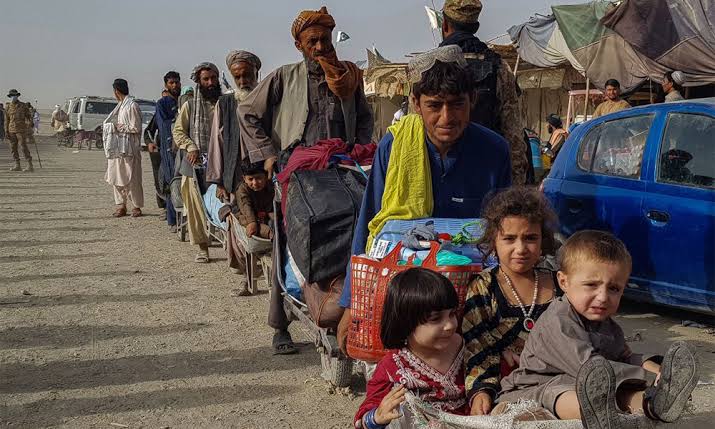
The United Arab Emirates has started sending Afghan refugees back to Afghanistan, following the lead of Pakistan and Iran. These Afghans had fled the country after the Taliban took control and were granted temporary shelter in the UAE. The deportation process began on July 10, ending the safe haven offered to nearly 200,000 Afghans. This move came after a request from the United States to host them temporarily.
According to media reports, countries like Pakistan, Iran, and now the UAE view many of these Afghans as potential security risks. Authorities believe the situation has changed, and continued shelter is no longer possible. This shift in policy has triggered concern among human rights groups and global observers. The sudden decision has also raised questions about the fate of these refugees once they return.
Notably, former U.S. President Donald Trump reacted strongly to the development. In a recent Truth Social post, he promised to help the Afghans stuck in the UAE. Trump said he has already begun efforts to assist them and hopes to find a safe solution. His statement gained attention both in the United States and internationally.
The situation has also highlighted the limited options available to displaced Afghans across the region. Many fled Taliban rule in fear for their lives, seeking safety in nearby countries. However, growing security concerns and changing political priorities have forced host countries to reconsider their stance. As a result, thousands now face uncertain futures.
While deportations continue, global leaders are being urged to act quickly and humanely. Calls for international coordination have grown louder, especially as more countries shut their doors. The fate of Afghan refugees remains one of the most pressing humanitarian issues in the region.