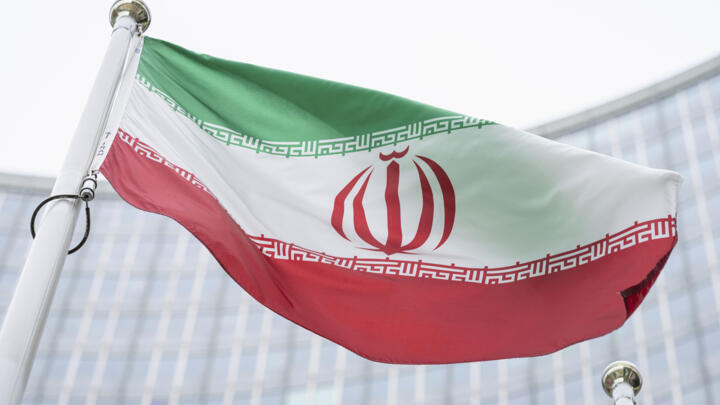
Iran’s parliament has voted in favor of a bill that would suspend cooperation with the UN’s nuclear watchdog, the International Atomic Energy Agency (IAEA), further intensifying concerns about Tehran’s nuclear intentions. The legislation now awaits final approval from the country’s Supreme National Security Council before it can be enforced.
This decision follows heightened tensions in the region after Iran and Israel engaged in a short but intense air conflict. Israel claimed its actions aimed to prevent Iran from advancing its nuclear program, while Iran insists its nuclear activities remain strictly peaceful. Iranian officials argue that the IAEA has failed to take a firm stance against attacks on Iran’s nuclear sites, undermining the agency’s credibility.
Parliament Speaker Mohammad Baqer Qalibaf strongly criticized the IAEA, accusing it of remaining silent in the face of Israeli aggression. He declared that Iran’s Atomic Energy Organization would suspend all forms of cooperation with the agency—including inspections, surveillance camera installations, and reporting—until the security of its nuclear infrastructure is guaranteed. He also confirmed that Iran will now accelerate its civilian nuclear efforts, framing the move as a matter of national sovereignty.
Earlier in the week, Iran’s parliamentary national security committee approved the bill’s general framework. Committee spokesperson Ebrahim Rezaei stated that the bill reflects Iran’s loss of trust in international mechanisms that, in their view, have failed to protect its rights under international law. He emphasized that the attacks by Israel, and recent U.S. airstrikes on Iranian underground nuclear sites, have sparked serious concerns across the country’s leadership.
Iran’s Foreign Minister Abbas Araqchi echoed these concerns in a recent interview with Al-Araby Al-Jadeed. He said Iran’s overall stance toward the nuclear non-proliferation regime may soon change, though he stopped short of revealing whether Iran might fully exit the framework. “It’s clear that the current situation demands a reassessment,” Araqchi said, pointing to what Tehran sees as double standards in the global response to its nuclear program.
As the bill awaits final approval, analysts believe this move could further isolate Iran on the global stage while heightening regional instability. It also raises the stakes for future diplomatic efforts, especially at a time when dialogue between Tehran and Western powers remains minimal. The coming weeks will be critical in determining whether Iran follows through with the legislation or leaves room for renewed negotiations.