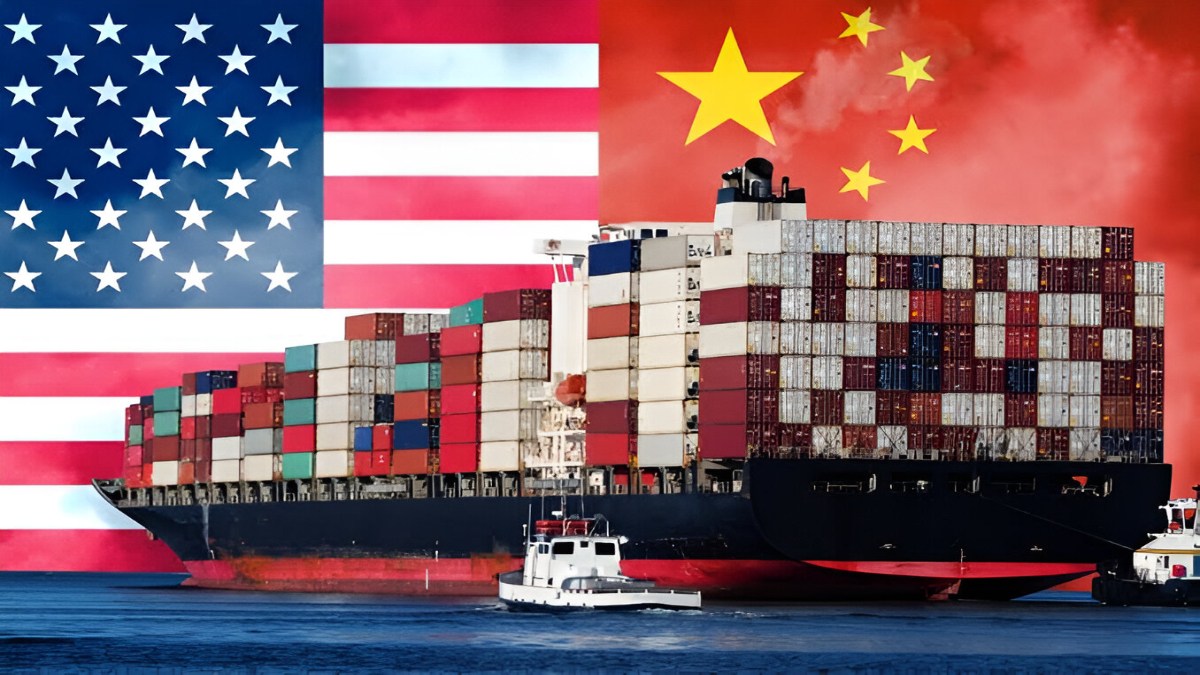
The United States and China have agreed on a new trade framework to ease rising tensions and avoid a major tariff clash. Officials met in London for two days of tough talks and reached a deal in principle. US Commerce Secretary Howard Lutnick said the framework supports an earlier agreement made in Geneva. However, final approval is still needed from both President Trump and President Xi. Talks focused on ending export bans and restoring trust.
As part of the deal, China will lift export restrictions on rare earth minerals, which are vital for electronics and electric vehicles. In return, the US will ease some recent export bans on tech goods like chip software and aircraft parts. Although Lutnick shared few details, he said the goal is a fair and balanced agreement. China’s Vice Commerce Minister Li Chenggang confirmed both sides will now consult their leaders before moving forward.
The new deal aims to stop a breakdown of the Geneva truce, which had faced setbacks due to export curbs. If no full agreement is made by August 10, steep tariffs will return. US tariffs could jump from 30% to 145%, and China’s from 10% to 125%. Experts say this deal is only a first step, and deeper issues remain unresolved. Still, some investors responded positively, and Asian stock markets rose slightly.
The deal followed a rare phone call between Trump and Xi, which helped restart stalled negotiations. US trade and treasury officials, along with Chinese delegates, worked to shape the final terms. The talks came as China’s exports to the US dropped over 34% in May, the largest fall since COVID-19. US companies and households have also felt the pain of tariffs through higher costs and falling business confidence.
Meanwhile, global leaders continue to worry about the broader economic impact. The World Bank cut its global growth forecast, blaming trade tensions. European Central Bank chief Christine Lagarde said policy changes are needed to avoid long-term damage. Though the new framework helps delay the tariff crisis, experts warn that only detailed action can prevent another trade war.