Following the historic aerial battle on the night of May 6 and 7 against India, international interest in the Pakistan Air Force (PAF) has surged significantly. The successful engagement, where PAF downed six Indian fighter jets, including a modern Rafale, has drawn global military attention and praise.
Sources reveal that several countries have already sent invitations for joint air exercises with Pakistan. Moreover, multiple embassies in Islamabad have reached out to senior PAF officials to explore future defense cooperation opportunities and strategic dialogue.
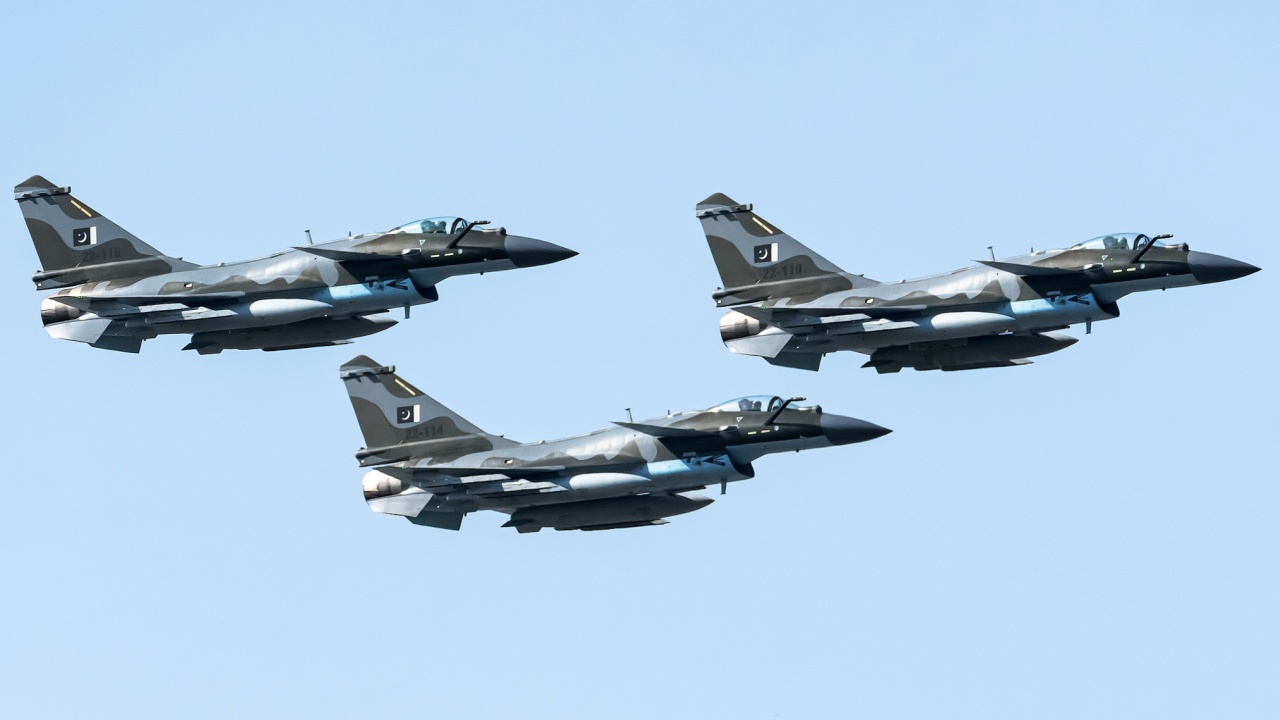
During the battle, Pakistan deployed 42 aircraft against India’s 72, yet achieved decisive success. The Chinese-made J-10C fighter jet played a critical role in this operation and was used in a major combat scenario for the first time by PAF. Its performance, particularly in radar tracking and missile accuracy, has impressed military analysts worldwide.
Observers have praised PAF’s use of advanced electronic warfare systems and strategic precision. Reports highlight that Pakistan effectively integrated local technologies with superior planning to counter India’s advanced air force, including its S-400 defense system, which was reportedly neutralized by the JF-17 Thunder.
Saudi Arabia and the United Arab Emirates have already invited Pakistan to participate in upcoming international air drills. Meanwhile, China’s aviation industry is gaining recognition due to J-10C’s success, and Chinese officials are keen to study how Pakistan combined indigenous and foreign technologies to achieve a strategic edge.
Global media outlets like CNN, Reuters, and The Daily Telegraph have covered the air battle extensively. While acknowledging the bravery of Indian pilots, these reports admit that India was technically outmatched. Analysts now believe this event will be studied as a case in modern aerial warfare by military institutions in both the U.S. and China.