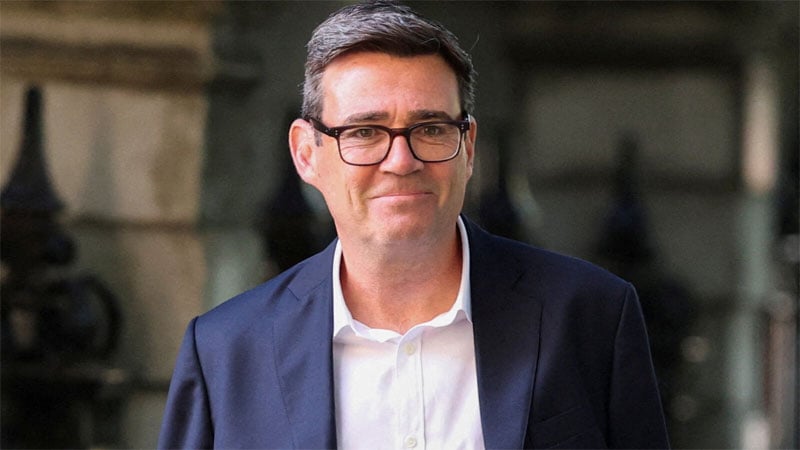
Newly elected British Prime Minister Andy Burnham has announced the cancellation of a proposed digital identification (ID) scheme for all adult citizens, according to government sources.
Read More: Andy Burnham set to become UK Labour leader
The decision comes after public opposition and a large-scale petition campaign against the plan. Government officials said the funds allocated for the digital ID project would now be redirected towards measures aimed at reducing inflation and supporting public welfare initiatives.
The proposed digital ID system had been designed as part of efforts to modernise public services and improve identity verification processes. However, critics raised concerns over privacy, government access to personal information, and the wider implications of introducing a mandatory digital identification system.
Sources said Prime Minister Burnham decided to completely abandon the scheme following growing public resistance and demands from campaign groups opposing the proposal.
The announcement follows Burnham’s recent election as leader of the UK Labour Party, after he was chosen unopposed as the party’s new leader. He later assumed the role of prime minister, bringing a change in direction on several policy matters.
Apart from scrapping the digital ID initiative, Burnham has also expressed support for continuing existing oil and gas drilling activities in the North Sea, signalling a different approach to energy policy.
His stance on energy production has drawn criticism from opposition figures. Conservative leader Kemi Badenoch criticised Burnham’s economic and energy policies, describing them as unrealistic.
The government has said that prioritising cost-of-living issues remains a key focus and that available resources should be directed towards helping households facing financial pressures.
The decision to end the digital ID plan is expected to become one of the first major policy moves of Burnham’s premiership and could influence debates around privacy, technology, and public spending in the United Kingdom.
Read More: Andy Burnham elected new Labour leader, now set to be UK PM
Political analysts believe the move reflects the new government’s attempt to respond to public concerns while reshaping its priorities around economic relief and essential services.