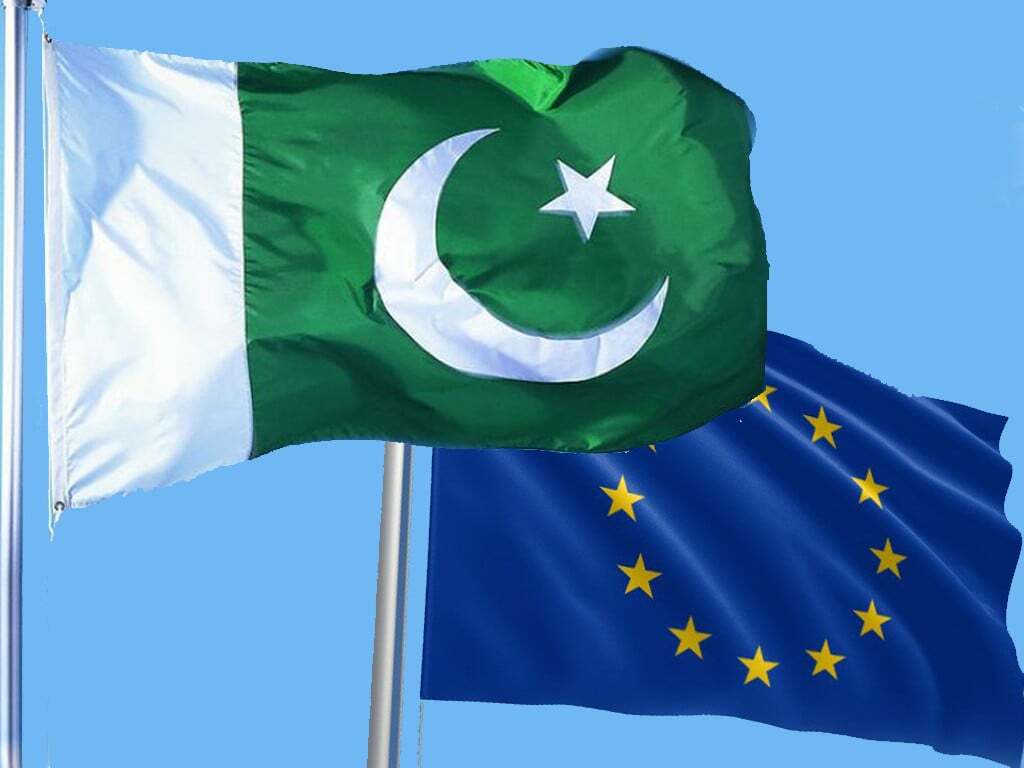
Pakistan emerged as the leading beneficiary of the European Union’s GSP+ trade scheme, recording €7.1 billion in exports to the EU during 2024. The latest EU GSP Report also highlighted Pakistan’s utilisation rate of more than 95%. However, it stressed that continued reforms remain essential to retain future trade benefits.
The GSP+ programme grants developing countries preferential tariff access in return for progress on human rights, labour standards, environmental protection, and good governance. Pakistan outperformed other beneficiary countries, including the Philippines and Sri Lanka, in export value. The report credited the scheme with strengthening Pakistan’s export sector.
Read more: Pakistan and EU expand trade, investment cooperation
The report acknowledged several positive reforms undertaken by Pakistan during the review period. These included reducing the scope of the death penalty, implementing Anti-Torture Act rules, and introducing child marriage restraint laws in several provinces. Pakistan also ratified the International Labour Organization’s protocol on forced labour and introduced measures to formalise informal workers.
Despite these achievements, the European Union highlighted persistent concerns over judicial independence, accountability for human rights violations, and restrictions on freedom of expression. The report also noted continuing challenges related to child labour, forced labour, environmental governance, and limited institutional capacity. Natural disasters further complicated Pakistan’s reform efforts by placing additional pressure on public institutions.
Read more: Pakistan helped avert full-blown US-Iran war: EU diplomat
The European Union said it will continue supporting Pakistan through trade and development initiatives, including programmes promoting decent work and economic competitiveness. As the EU prepares to introduce a revised GSP framework in 2027, Pakistan will be required to reapply for GSP+ status. The report said sustained reforms will be crucial to preserving preferential market access.