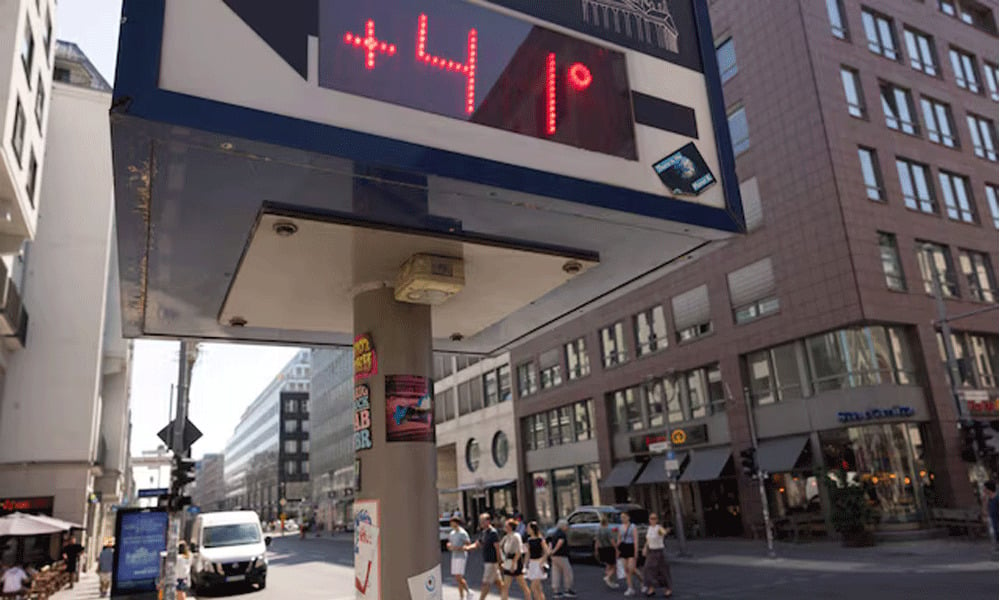
Germany has recorded an estimated 5,120 heat-related deaths so far this year, according to the Robert Koch Institute (RKI). Most fatalities occurred during the intense heatwave in late June, when average weekly temperatures rose well above 20°C. Older adults, healthcare systems, and vulnerable communities have been the most affected.
The RKI said around 4,270 deaths involved people aged 75 years and older. The institute also reported that more women than men died because women make up a larger share of the oldest population. Health officials warned that prolonged periods of extreme heat continue to pose serious risks to vulnerable groups.
Read more: Heatwave claims 3,700 lives across Europe
Meanwhile, the latest figures add to growing concerns about the impact of extreme weather across Europe. The European Union’s Copernicus Climate Change Service said Western Europe experienced its hottest June on record, with an average temperature of 20.74°C. Scientists linked the unusually high temperatures to worsening climate trends.
Authorities in France, Belgium, Spain, and the Netherlands have also reported more than 4,700 excess deaths during the June 20–28 heatwave. Experts say sustained high temperatures have increased pressure on healthcare services and raised concerns about public health preparedness. Governments are reviewing emergency response measures to better protect at-risk populations.
Read more: Europe heatwave fuels wildfires, evacuations
Climate experts warn that heatwaves are becoming more frequent and intense because of global warming. They have urged governments to strengthen heat action plans, improve early warning systems, and protect vulnerable citizens. Public health officials continue advising people to stay hydrated, avoid prolonged sun exposure, and monitor elderly family members during extreme heat.