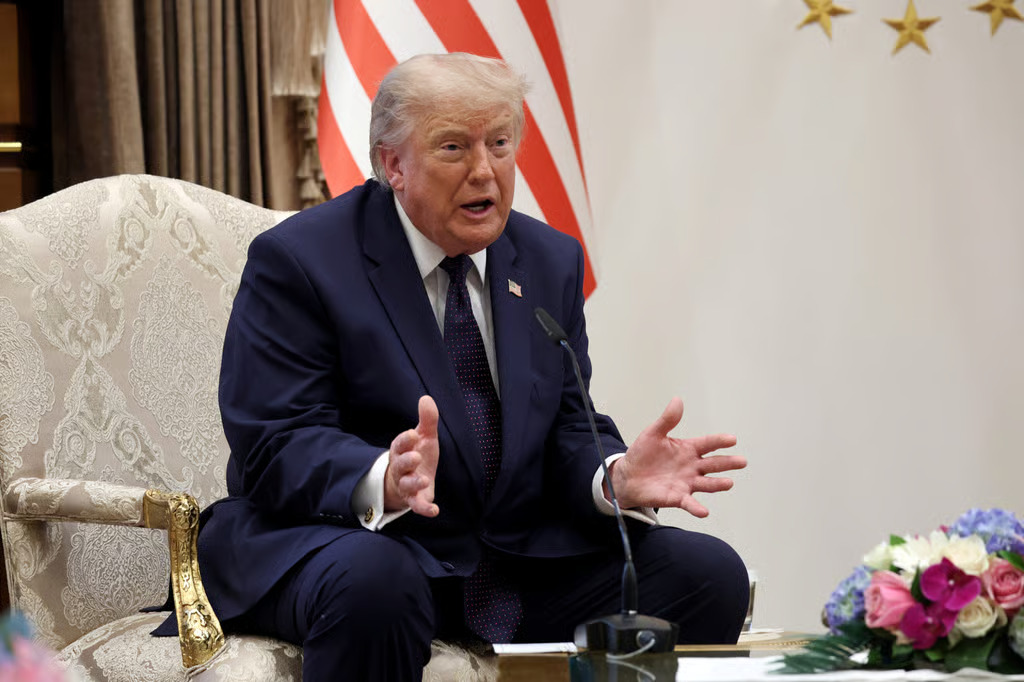
US President Donald Trump said he wants to halt trade with Spain, citing Madrid’s defence spending and disagreements over NATO commitments. His remarks signal a further deterioration in relations between Washington and one of its European allies. The comments could affect US-EU trade discussions and intensify tensions within the NATO alliance.
Speaking ahead of the NATO summit in Ankara, Trump described Spain as “a wasted cause” and said he no longer wanted the United States to conduct trade with the country. He appeared to instruct Treasury Secretary Scott Bessent to stop trade with Spain. Trump also criticized Madrid’s contribution to NATO, claiming Spain had failed to meet its defence responsibilities. He suggested economic pressure could force Spain to reconsider its position.
Read more: Trump revives NATO tensions in Ankara
The dispute follows Spain’s refusal to support NATO’s target of allocating five percent of gross domestic product to defence by 2035. Trump has repeatedly criticized European allies over military spending and has previously threatened tariffs against countries he believes contribute too little to the alliance. The disagreement has widened following Spain’s criticism of US military action against Iran and its reported refusal to allow American forces to use military bases during the campaign.
However, implementing a unilateral trade halt may prove difficult because Spain is a member of the European Union. Under EU rules, trade policy is negotiated collectively by Brussels rather than individual member states. Analysts say any US trade restrictions targeting Spain would likely require broader action involving the European Union.
Read more: Trump says Iran war accord is ‘over’, rejects new talks
The latest remarks underscore growing divisions between Washington and several European allies over defence, foreign policy, and economic relations. Observers say the issue is expected to remain a key topic during the NATO summit as leaders seek to preserve alliance unity despite increasing political disagreements.