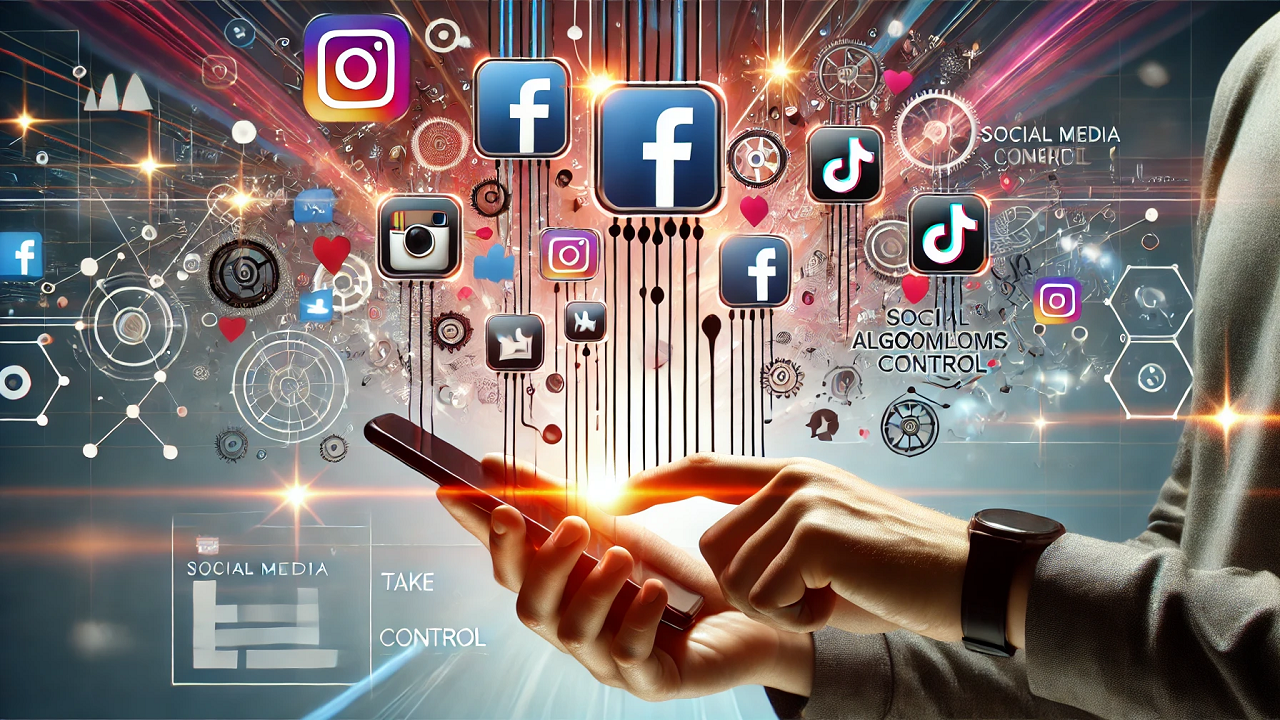
Artificial intelligence, social media, and digital platforms are rapidly transforming how information is created, distributed, and consumed across the world. While every major technological breakthrough has triggered both excitement and concern, experts believe the current shift could prove more disruptive than previous revolutions because of its speed, scale, and influence over public opinion.
For centuries, institutions such as newspapers, broadcasters, universities, and publishers acted as gatekeepers that filtered information before it reached the public. Although the system was not free from bias or commercial interests, it provided accountability and verification. Today, however, information often spreads online before journalists, governments, or experts have the opportunity to confirm its accuracy.
Moreover, algorithms have largely replaced traditional editors as the primary drivers of information visibility. These automated systems determine what billions of users see every day, prioritizing engagement and attention rather than public interest. As a result, emotionally charged content, misinformation, and conspiracy theories frequently travel faster and farther than carefully verified reporting.
The growing influence of digital platforms has also transformed politics and public discourse. Governments, political campaigns, and advocacy groups increasingly use data analytics, social media networks, influencers, and AI-generated content to shape public opinion. Consequently, information warfare is no longer limited to military conflicts and has become a regular feature of domestic political competition worldwide.
Meanwhile, artificial intelligence is creating both opportunities and challenges for journalism. News organizations are already using AI to summarize documents, translate languages, analyze data, and automate routine reporting tasks. However, the rise of synthetic content and AI-generated media has raised concerns about misinformation, job displacement, and the difficulty of distinguishing authentic reporting from fabricated material.
Pakistan faces a particularly important moment in this transition as millions of people now consume news primarily through smartphones and digital platforms. Experts argue that media organizations, universities, and policymakers must invest in digital literacy, AI education, and modern journalism skills to remain competitive. As algorithms increasingly shape what people read, watch, and believe, the future of trusted journalism may depend on how successfully human judgment adapts to a rapidly changing information landscape.