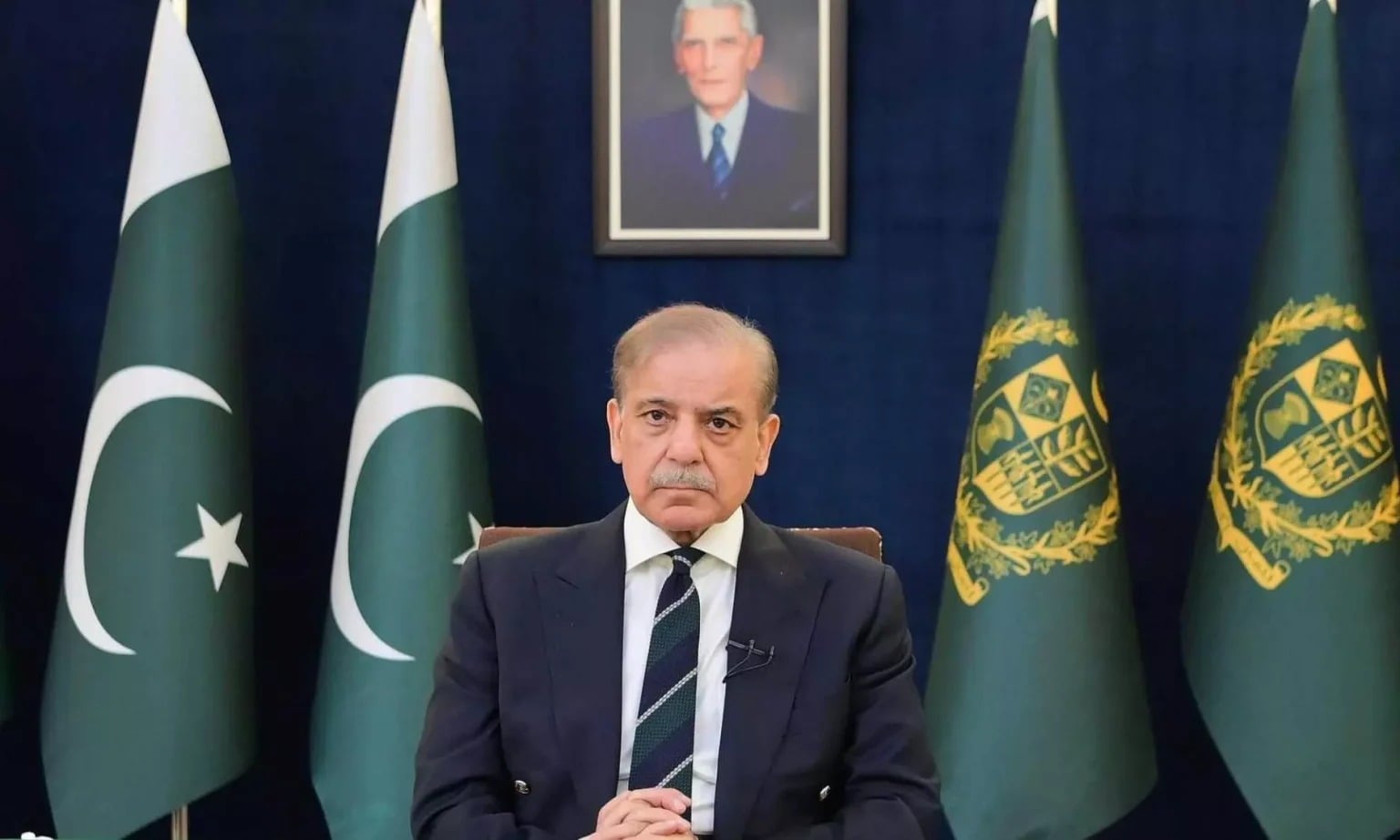
President Asif Ali Zardari and Prime Minister Shehbaz Sharif have urged all stakeholders to strengthen food safety practices and ensure access to safe, nutritious and quality food on World Food Safety Day. Both leaders emphasized that food safety remains essential for protecting public health, supporting economic growth and building public confidence in food systems across the country.
Read more : Mohsin Naqvi delivers key Pakistan message to Iran leadership
Highlighting this year’s theme, “From burden to solutions – safe food everywhere,” the President said science, data and evidence-based policies are crucial for reducing foodborne diseases. He noted that unsafe food can lead to illness, lost income, increased healthcare costs and disruptions to education and work, making food safety a key public responsibility.
The President also stressed that governments, regulators, producers, transporters, retailers and consumers must work together to maintain high standards throughout the food supply chain. Furthermore, he called for stronger inspection systems, improved laboratory capacity, better surveillance mechanisms and enhanced hygiene practices to reduce risks and protect vulnerable groups, including children and older citizens.
Read more : Pakistan to pitch Discos privatisation in global roadshows across …
Meanwhile, Prime Minister Shehbaz Sharif called on federal and provincial governments, farmers, research institutions, the private sector, media organizations and development partners to contribute towards building a resilient and safe food system. He said every individual involved in agriculture and food production plays a vital role in ensuring food safety and safeguarding public well-being.
Referring to recent global findings, the prime minister noted that around 866 million people fall ill each year due to contaminated food, while nearly 1.5 million deaths are linked to foodborne diseases. He warned that unsafe food also contributes to lower productivity, rising healthcare expenses, economic losses and challenges for tourism and trade worldwide.
The prime minister said Pakistan possesses strong agricultural potential but continues to face challenges such as climate change, water scarcity, population growth and changing food consumption patterns. He added that the government is pursuing integrated strategies to address these issues and reaffirmed the country’s commitment to securing a safe, nutritious and sustainable food future for coming generations.