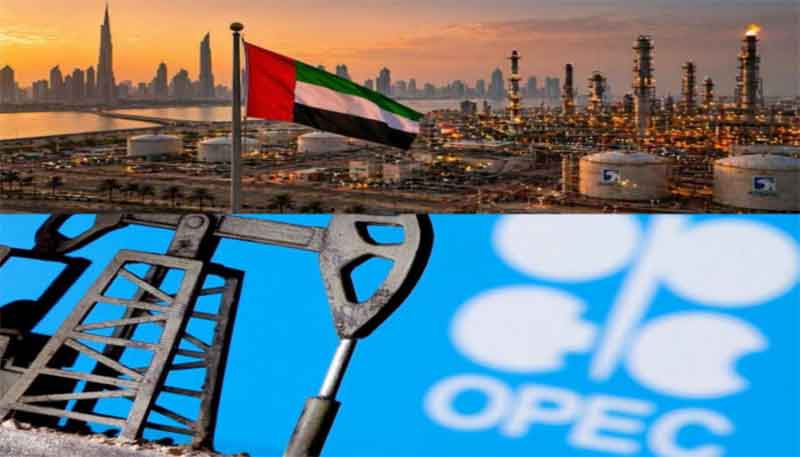
The United Arab Emirates defended its withdrawal from OPEC and OPEC+ on Saturday, calling the move a sovereign strategic decision. Energy Minister Suhail Al Mazrouei said the exit followed a review of production policies and future capabilities. The decision matters because it weakens OPEC’s influence over global oil supplies and energy markets.
Mazrouei said the UAE’s departure was not politically motivated and did not reflect divisions with partner countries. He stressed the country remains committed to cooperation with major oil producers. Furthermore, he said the move supports the UAE’s long-term energy and production strategy.
Read more: United Arab Emirates Leaves OPEC, Reshapes Global Oil Market
The UAE officially left OPEC and OPEC+ on May 1 after announcing the decision in April. The withdrawal came during rising market uncertainty caused by the Iran war and supply concerns. Analysts described the move as a major setback for the oil producers’ alliance.
Saudi Arabia, the leading force within OPEC, now faces greater pressure to maintain unity among remaining members. The UAE’s exit also highlighted growing policy differences between Gulf oil producers. However, UAE officials insisted relations with partners remain stable and cooperative.
Read more: UAE reviews alliances after OPEC exit amid regional tensions
Earlier this week, OPEC lowered its 2026 global oil demand growth forecast because of economic uncertainty and volatile markets. Traders and analysts continue assessing how the UAE’s departure could reshape global energy alliances and crude oil pricing strategies in the future.