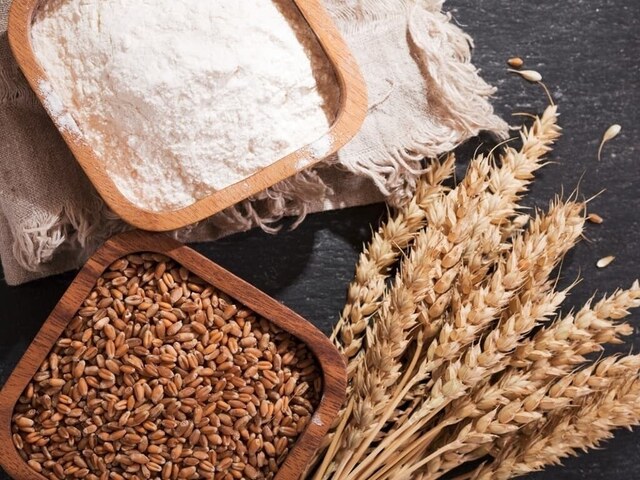
Flour price in Khyber Pakhtunkhwa (KP) have increased once again as disruptions in the inter-provincial supply of wheat and flour from Punjab continue to affect market availability.
Read More: KP govt releases wheat from strategic reserves to control prices
According to industry sources, KP’s flour mills depend heavily on wheat supplies from Punjab due to a significant production shortfall within the province. While Khyber Pakhtunkhwa produces around 1.2 million metric tons of wheat annually, its total requirement stands at approximately 5.2 million metric tons, leaving a deficit of nearly 4 million metric tons that is typically met through imports from Punjab.
Flour prices rise again in Khyber Pakhtunkhwa, increasing pressure on households amid ongoing food inflation.
Market sources said flour prices increased because wheat supply costs went up. They also linked the rise to higher transportation expenses. Mill owners explained that… pic.twitter.com/4R0jTZ2Evg
— Bloom Pakistan (@bloom_pakistan) May 8, 2026
The Flour Mills Association has stated that restrictions and disruptions in the movement of wheat and flour from Punjab have forced mills to purchase wheat at higher prices from alternative sources. This has directly contributed to rising flour costs in local markets.
Over the past week, the price of a 20-kilogram flour bag has increased from Rs2,200 to Rs2,400, placing additional pressure on households already facing inflationary challenges. Low-income groups, in particular, have been hit hard by the sudden increase in essential food prices.
Market observers say that reduced supply from Punjab has tightened availability across KP, leading to higher procurement costs for flour mills and ultimately passing the burden on to consumers.
In response to the situation, the Khyber Pakhtunkhwa government has approved the procurement of 225,000 metric tons of wheat and released funds for the purchase. Officials have also written to the federal and Punjab governments, urging them to lift restrictions on inter-provincial wheat movement, which they describe as unconstitutional and harmful to market stability.
Authorities in KP argue that smooth inter-provincial trade is essential to ensuring food security and preventing artificial price hikes in essential commodities.
The situation highlights ongoing challenges in Pakistan’s wheat supply chain, where production gaps in one province are often covered through inter-provincial transfers, making policy decisions in one region highly impactful on prices in another.
Read More: KP govt announces direct wheat purchase from farmers market
Further developments are expected as discussions between provincial and federal authorities continue regarding wheat distribution and market regulation.