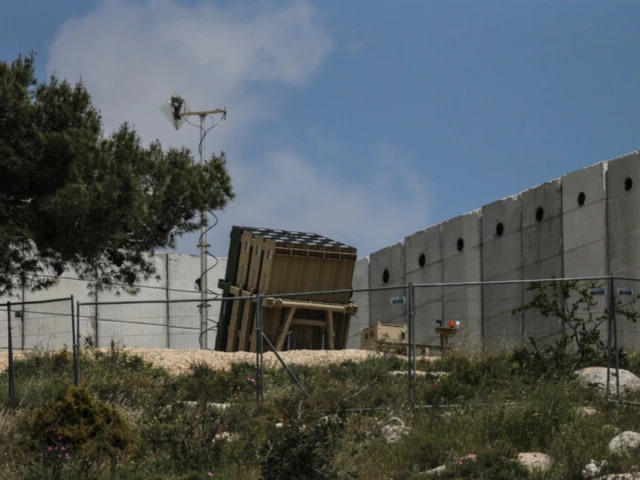
The Israeli army has reportedly blocked local authorities and reserve liaison officers from accessing a civilian emergency system used to track rocket impact sites. The decision was linked to concerns that sensitive information could be leaked to Iran-aligned groups monitoring strike locations. The move has triggered criticism from local officials in northern Israel.
According to Israeli media reports, the system known as “Shual” was developed by the army’s Home Front Command. It is used to coordinate emergency response operations and predict rocket impact zones during attacks. The platform also helps direct rescue teams and identify unexploded ordnance after strikes.
Read more: Israel to demolish 50 Palestinian facilities
Reports say the restriction was imposed due to fears that real-time data could be exploited to improve the accuracy of future attacks. Authorities reportedly suspected that external actors could monitor impact patterns and operational responses. However, the decision has raised concerns over emergency preparedness in affected regions.
Local officials in northern Israel have strongly criticised the ban, saying it has left them without a vital operational tool. They argued that the restriction prevents accurate assessment of rocket damage and impact locations. Officials said the lack of access creates serious challenges during active conflict situations.
Read more: Israel intercepts Gaza-bound humanitarian boats
The development comes amid continued cross-border exchanges between Israel and Hezbollah despite a ceasefire framework. Reports indicate ongoing strikes and casualties in the region, along with widespread displacement. The situation remains tense as security concerns and operational restrictions continue to affect emergency response systems.