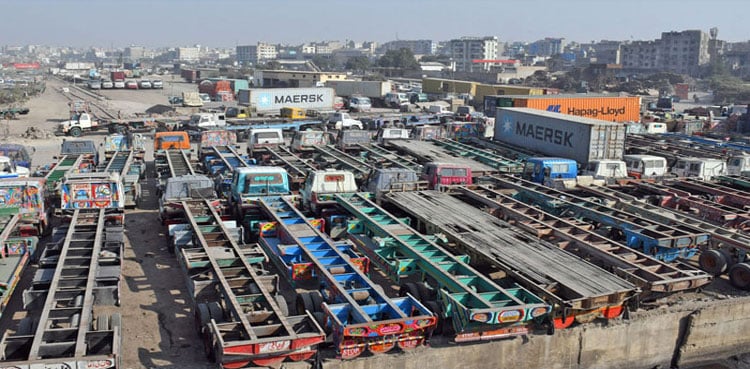
The Pakistan Goods Transport Alliance (PGTA) has announced a 40% reduction in freight transport fares following a recent cut in fuel prices across the country. The decision is expected to provide relief to businesses and consumers affected by rising logistics costs.
Read More: PM Shehbaz launches digital fuel relief for transport sector
PGTA President Malik Shahzad Awan confirmed the reduction while welcoming the government’s move to lower petroleum product prices. He stated that the transport sector had decided to pass on the benefit of reduced fuel costs directly to customers.
“We are announcing a 40% decrease in goods transport fares,” Awan said in an official statement, adding that the industry hopes fuel prices will continue to decline in the future to further stabilize operational costs.
View this post on Instagram
He also urged the government to consider additional relief measures, including reductions in toll taxes and withholding taxes, calling on both federal and provincial authorities to ease the overall tax burden on the transport industry.
The announcement comes shortly after Prime Minister Shehbaz Sharif directed a significant reduction in fuel prices, cutting petrol and diesel rates to provide relief amid ongoing inflationary pressure. The revised petrol price was set at Rs366.58 per litre, while high-speed diesel was reduced to Rs385.54 per litre, effective from midnight nationwide.
Officials said the price adjustments were made in response to global oil market trends and domestic economic conditions. The government has been making frequent revisions to fuel prices in recent weeks due to volatility in international energy markets.
Previously, fuel prices had seen sharp increases following global supply disruptions linked to regional tensions. However, subsequent adjustments and relief measures have gradually eased some of the pressure on consumers and industries.
Read More: Transporters announce 3% freight hike amid rising fuel
The transport sector’s decision to lower fares is expected to reduce costs across supply chains, potentially impacting prices of essential goods in the coming weeks.