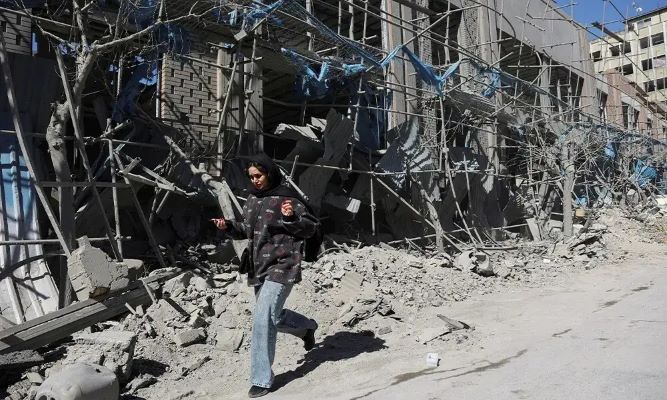
The United States and Iran are considering a peace plan to end their five-week war, though Tehran rejects reopening the Strait of Hormuz immediately. President Donald Trump warned of “hell” if Iran does not comply with the Tuesday deadline. The plan, brokered by Pakistan, proposes an immediate ceasefire and broader negotiations over 15–20 days.
Pakistan’s army chief Field Marshal Asim Munir maintained overnight contacts with U.S. Vice President JD Vance, envoy Steve Witkoff, and Iranian Foreign Minister Abbas Araqchi to facilitate the framework. Iran has submitted its positions and demands via intermediaries, emphasizing that negotiations cannot occur under ultimatums or threats.
Read more: Trump warns Iran to strike deal in two days or US will unleash hell
Tehran insists it will not reopen the Strait or accept deadlines as part of a temporary ceasefire. U.S. sources previously discussed a potential 45-day ceasefire as a first phase of a two-step plan. Trump, meanwhile, warned of additional U.S. strikes on Iranian energy and transport infrastructure if Iran fails to agree.
The war has caused massive casualties and economic disruption. Over 3,500 Iranians, including at least 244 children, have died, while Israeli strikes have killed 23 civilians. U.S. and Israeli operations have targeted high-ranking Iranian leaders and infrastructure, including the Sharif University data center in Tehran.
Read more: Pentagon confirms 365 US troops injured in Iran war
Israel has vowed to destroy Iranian infrastructure and hunt leaders individually, while Iran continues retaliatory strikes on Gulf facilities. Lebanon also faces heavy casualties amid Israeli operations against Hezbollah. The escalating conflict raises concerns about broader regional instability and civilian harm.