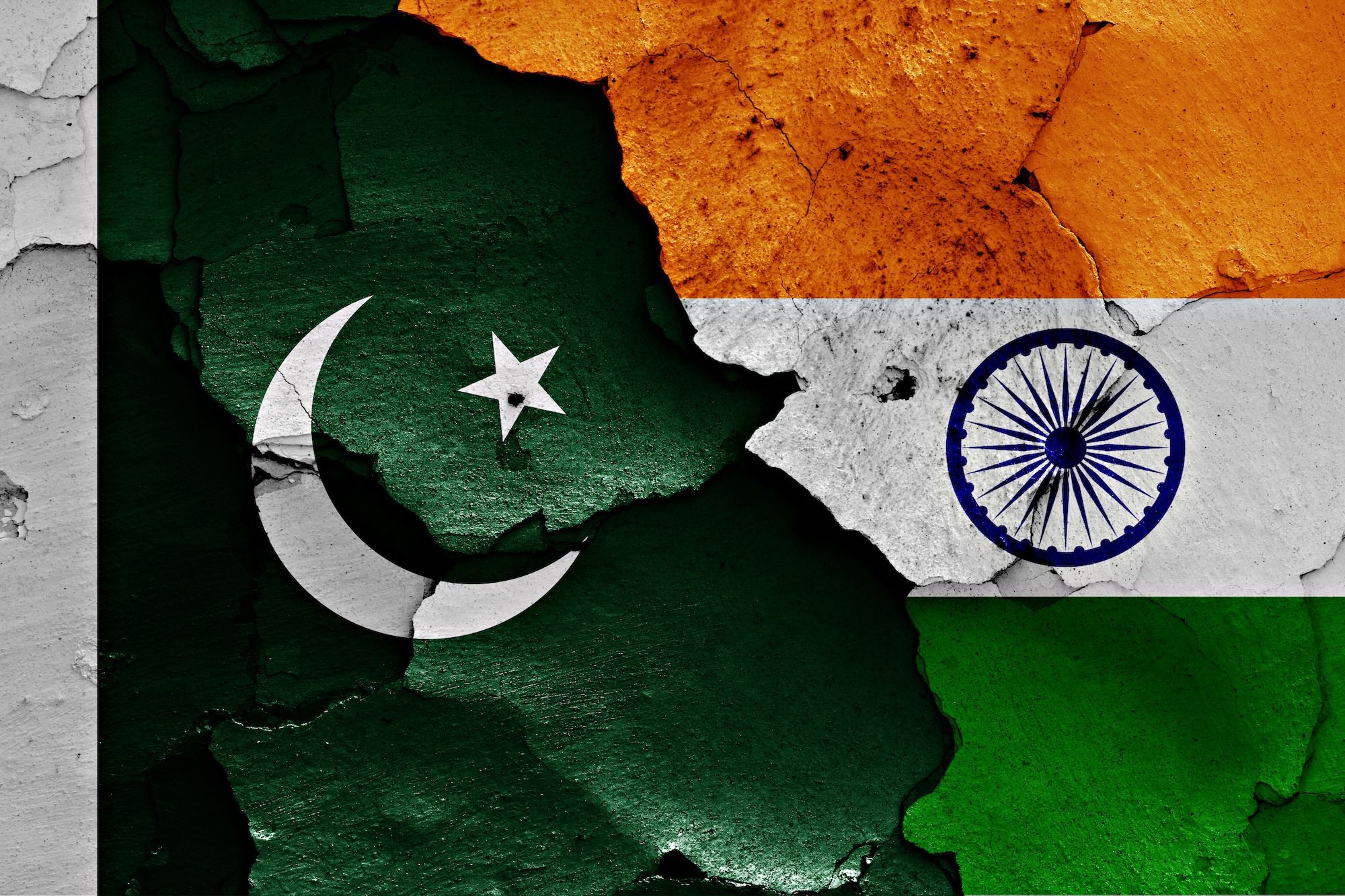
A coordinated disinformation campaign targeting Pakistan has been exposed by analysts, who say the operation aimed to undermine Pakistan’s diplomatic role and damage regional peace efforts. Investigators claim the campaign relied on fake Iranian identities and coordinated social media accounts to spread misleading narratives and provoke tensions across the region.
According to findings, several ghost social media accounts posing as Iranian media outlets, including INN Iran News and Iran TV, allegedly initiated the online campaign. These accounts reportedly circulated claims accusing Pakistan of facilitating oil supplies for the United States, a narrative analysts say was designed to fuel anger and mistrust among regional audiences.
Read more : Pakistan, India exchange sharp words at UNSC over Afghanistan
Further investigation revealed that many of the accounts shaping the narrative were operated from India, while numerous accounts responsible for amplifying and spreading the messages appeared to originate from Afghanistan. Experts say this structure allowed the campaign to manufacture the impression of widespread Iranian public criticism against Pakistan.
Analysts explained that the operation followed a structured model known as “Initiator, Proliferator and Amplifier,” in which initial narratives were created by key accounts, then expanded through networks to generate large-scale online engagement. The strategy, they say, attempted to gradually transform misleading claims into widely accepted perceptions.
Read more : ‘Make no mistake’, Zardari warns India and Afghanistan over war …
Researchers also pointed to a platform called Times of Iran News as a central hub in the propaganda effort, allegedly operating from India while distributing narratives internationally. The platform reportedly played a significant role in shaping messages portraying Pakistan as aligned with Western agendas against Iran.
Experts believe the broader objective of the campaign was to weaken Pakistan’s diplomatic influence and disrupt its efforts to mediate tensions in the Middle East. They warn that such coordinated information warfare could fuel mistrust among Muslim countries and create divisions that threaten regional stability and ongoing peace initiatives.