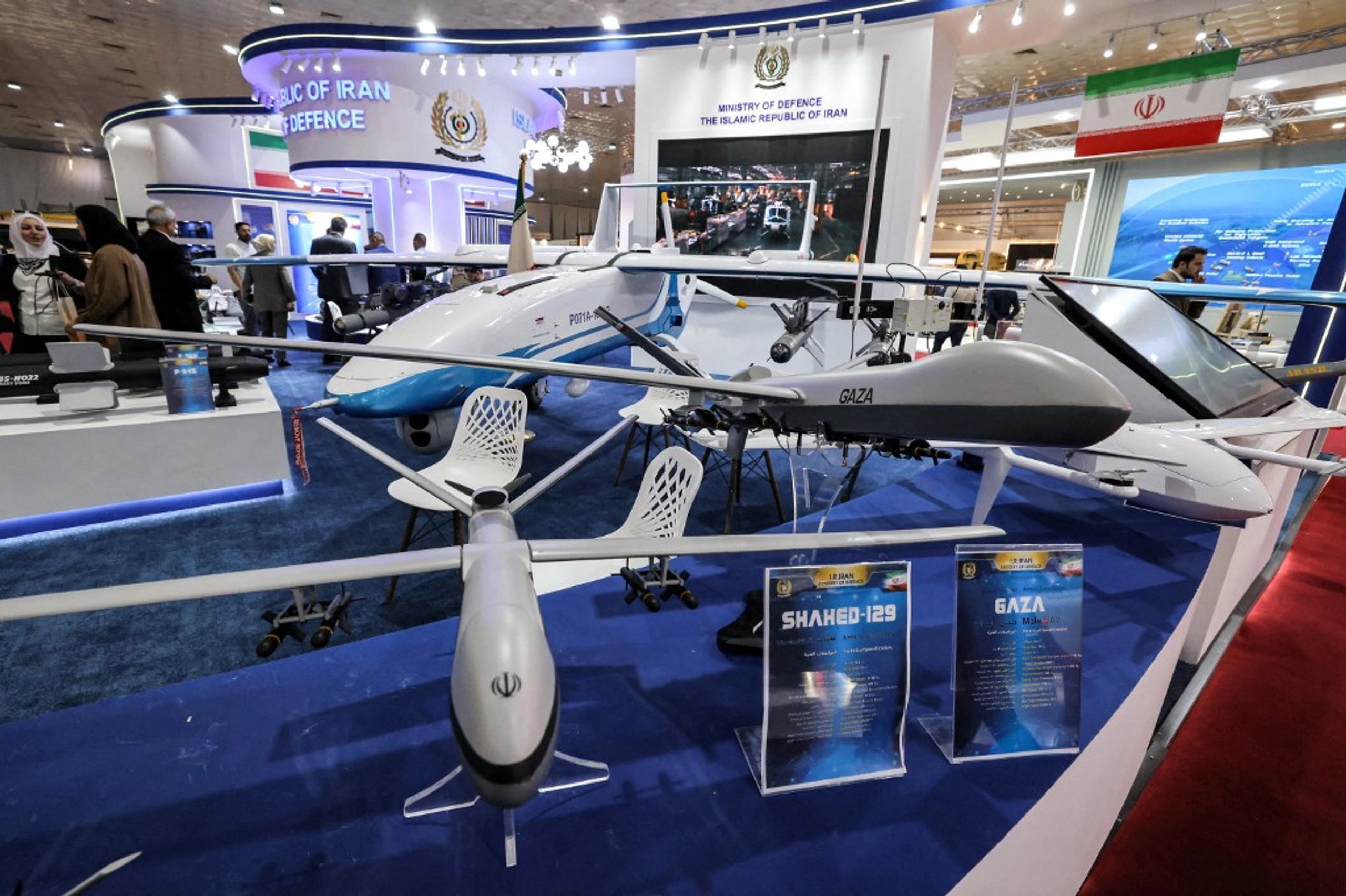
Russia is reportedly preparing shipments of drones, medicine, and supplies to Iran, signaling possible escalation after recent US and Israeli strikes.
Sources say the deliveries, including advanced drone variants, aim to strengthen Iran’s battlefield capabilities and stabilize the regime politically amid mounting pressure. Western intelligence suggests this could be Moscow’s first lethal military support to Tehran since the conflict began.
Financial Times reports indicate Russian and Iranian officials began covert discussions on drone transfers shortly after US strikes on Tehran. Some shipments reportedly started in early March and are expected to finish by month’s end. Moscow publicly frames its assistance as humanitarian, highlighting over 13 tonnes of medical supplies delivered via Azerbaijan.
Read more: Russia stresses political settlement over Iran conflict
Privately, Russia has reportedly shared satellite imagery, targeting data, and intelligence support to Iran, according to sources familiar with the matter.
Tehran has long relied on attack drones, launching over 3,000 since hostilities escalated. Russian-modified drones in Ukraine since 2023 have improved navigation, payload, and resistance to electronic countermeasures.
Experts note Iran seeks access to these upgraded systems, such as the Geran-2 drone based on Iran’s Shahed-136 but significantly enhanced. Analysts say these systems could boost strike effectiveness or aid domestic production. Tehran has also requested advanced air defenses, including the S-400, but Russia has reportedly refused to avoid further escalation.
Read more: Russia Stands With Iran as Putin Declares Unconditional Support
The developments follow Israeli strikes on March 18-19 targeting Iran’s Caspian supply routes, damaging naval bases and infrastructure. Observers note the Caspian corridor has become a strategic route linking Russia and Iran for oil, drones, and other military materials while avoiding Western monitoring. Kremlin officials, however, deny confirming drone deliveries, calling reports “fake.”