The Trump administration released a controversial list of hundreds of names linked to the Jeffrey Epstein files, prompting accusations of “muddying the waters” from lawmakers. The disclosure matters because the list includes high‑ranking politicians and celebrities, risking reputational harm without evidence of wrongdoing. People named range from current and former leaders to entertainers, fueling public debate and political scrutiny.
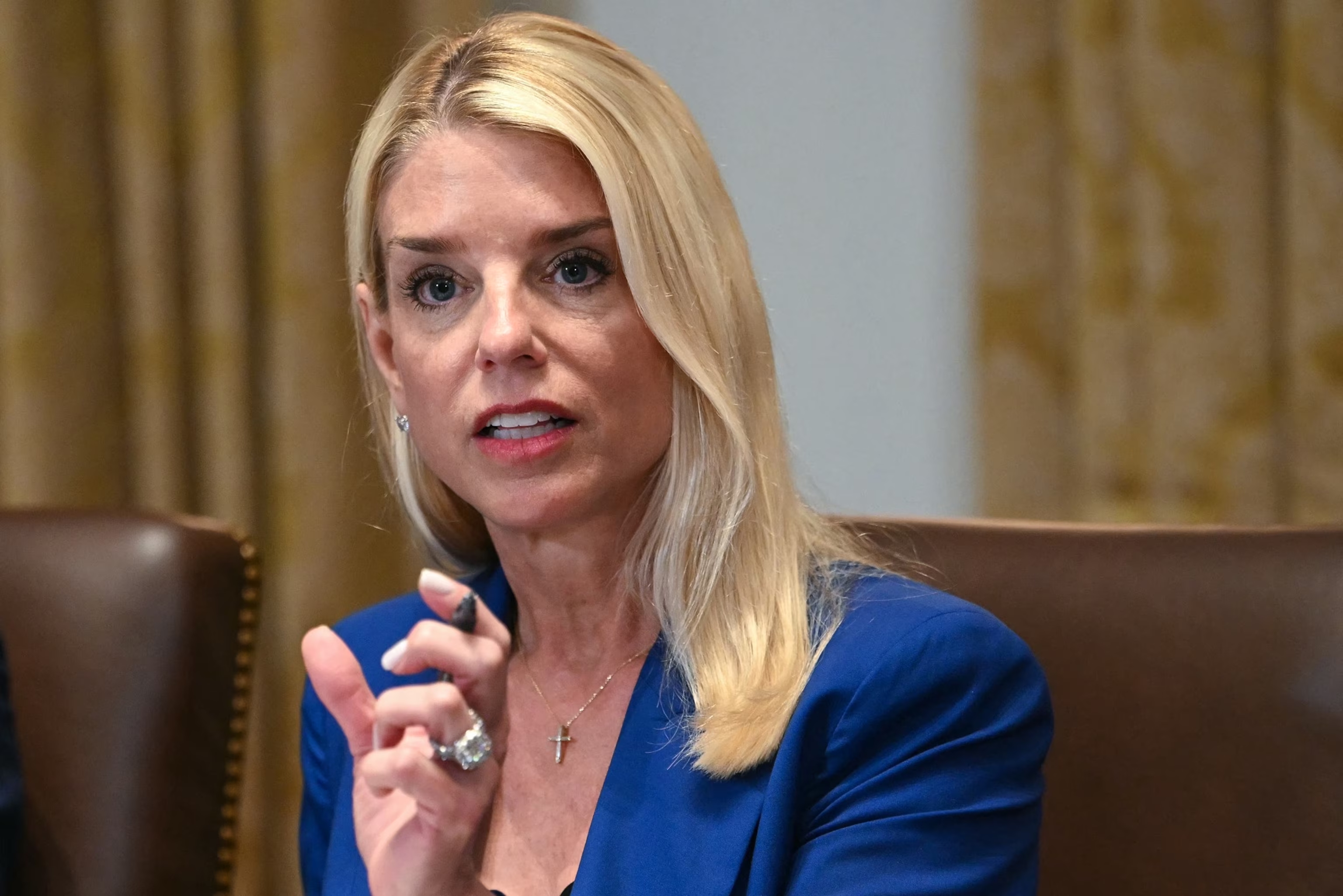
Attorney General Pam Bondi sent a six‑page letter to Congress over the weekend that included the list of names. The letter said the list shows people who “are or were a government official or politically exposed person”. It also included anyone whose name appeared at least once in the files released under the relevant transparency act.
Read more: Epstein files: Trump referenced over a million times
Critics quickly accused the administration of intentionally creating confusion by releasing the broad list. They argue listing names without context could falsely imply guilt or involvement in Epstein’s crimes. Lawmakers voiced concern that the move shifts focus from serious issues in the Epstein case to political noise.
Among those named were President Donald Trump, former President Barack Obama and former UK Prime Minister Margaret Thatcher, according to the letter. Celebrities such as Mick Jagger, Marilyn Monroe, George Clooney, Beyoncé and Cher also appeared on the list. Being named does not suggest illegal activity, and many may have had no direct interaction with Epstein.
Read more: ‘Pizza’ in Epstein files sparks wild claims
Supporters of the release say transparency is key to public trust, especially regarding Epstein’s network. Bondi’s office emphasized the list’s limited scope and intent to fully comply with disclosure laws. Nonetheless, denials from several named individuals underscore the tension between openness and reputational risk.