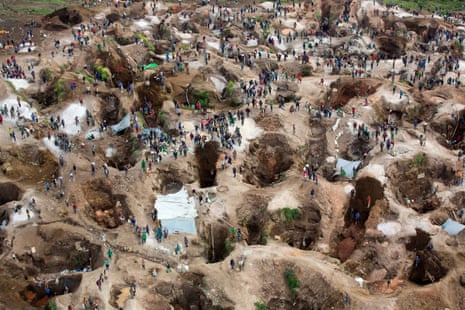
RUBAYA, Democratic Republic of Congo: More than 200 people were killed this week in a catastrophic collapse at the Rubaya coltan mine in eastern Democratic Republic of Congo, officials said Friday. Lumumba Kambere Muyisa, spokesperson for the rebel-appointed governor of the province, confirmed that the toll includes miners, children, and market vendors, with dozens more injured.
Read More: Pakistan’s Reko Diq mine gets €70mn boost from Metso
The disaster occurred on Wednesday amid the region’s rainy season, which weakened the ground. Survivors told officials that the soil gave way while miners were digging manually, earning just a few dollars per day. Emergency responders have treated around 20 seriously injured victims in local health facilities.
Death Toll Reaches 200 After Landslides Collapse Mineral Mines in Eastern Congo
Landslides at an M23-controlled coltan mine in eastern Congo killed at least 200 people. The disaster highlights the humanitarian and security crisis in the mineral-rich North Kivu province.
🔗:… pic.twitter.com/XBIF97CJLw— Kurdistan 24 English (@K24English) January 31, 2026
Rubaya is a major source of coltan, producing roughly 15 percent of the world’s supply. Coltan is processed into tantalum, a heat-resistant metal used in smartphones, computers, aerospace components, and gas turbines. The mine has been under the control of the AFC/M23 rebel group since 2024, a heavily armed faction that has plundered mineral-rich areas to fund its insurgency, according to the United Nations. The rebel group claims its objective is to protect the Congolese Tutsi minority and overthrow the government in Kinshasa. Kigali denies allegations of backing the rebels.
The precise death toll remains uncertain. An adviser to the rebel-appointed governor said at least 227 bodies have been confirmed, but many are still unaccounted for. Rescue efforts are ongoing, with survivors describing chaotic scenes as the soil and mine tunnels collapsed under the weight of the rain-soaked ground.
The Rubaya mine, like other artisanal mines in the region, has long been considered a high-risk site due to unregulated manual digging and minimal safety protocols. The disaster highlights the ongoing hazards faced by local miners, whose work supports a critical global supply chain but exposes them to extreme danger.
Read More: Reko Diq mining project enters new phase with $715m funding boost
Authorities have called for urgent aid and safety reforms, but the unstable security situation under rebel control complicates rescue operations and accountability.