 For decades, Pakistan has struggled not only with corruption but with an equally damaging global and domestic perception of pervasive institutional decay. This perception, shaped by historical weaknesses, selective international commentary, and episodic political instability, has often overshadowed substantive governance reforms underway within the country. Today, however, Pakistan stands at a critical juncture where data-driven reforms, digitization of state functions, and strengthened accountability mechanisms are steadily reshaping governance realities. The gap between perception and practice is narrowing, even if the narrative has yet to fully catch up.
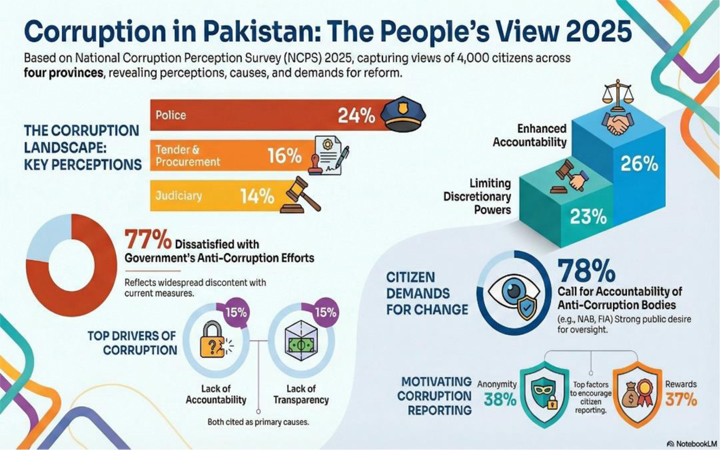
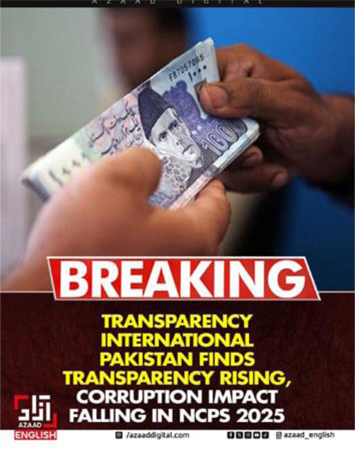
A useful lens to understand this transformation is citizen-level experience. The National Corruption Perception Survey (NCPS) 2025 presents findings that challenge entrenched assumptions. According to the survey, 66 percent of Pakistanis reported that they did not pay any bribe while accessing public services in the preceding year. This is a significant indicator that routine citizen state interactions are increasingly regulated through standardized procedures rather than discretionary authority. Importantly, trust in traditionally problematic sectors such as policing has also shown measurable improvement, reflecting the cumulative impact of reforms rather than isolated initiatives.

Transparency efforts have been reinforced through stronger enforcement and recovery mechanisms. The performance of the National Accountability Bureau (NAB) illustrates this shift. With recoveries exceeding Rs 12.3 trillion, of which Rs 11.4 trillion was recovered within a span of less than three years, accountability has moved beyond rhetoric. Most of this amount is the fiscal value of the recovery. The efficiency ratio, returning Rs 643 to the national exchequer for every rupee spent, underscores an institutional capacity increasingly focused on reclaiming public resources lost to corruption and mismanagement. While debate around accountability remains politically charged, the empirical outcomes indicate a system that is delivering tangible financial results.
Pakistan’s successful exit from the Financial Action Task Force (FATF) Grey List further underscores the country’s structural progress. Achieving this milestone required deep and sustained reforms across financial regulation, law enforcement coordination, and compliance frameworks. Enhanced scrutiny of suspicious transactions, real-time reporting mechanisms, and institutional coordination were not cosmetic changes but structural overhauls aligned with international standards. The FATF process forced Pakistan to institutionalize transparency within its financial ecosystem, improving global credibility while strengthening internal governance. This was not merely an exercise in international appeasement; it fundamentally improved the resilience of Pakistan’s financial system.

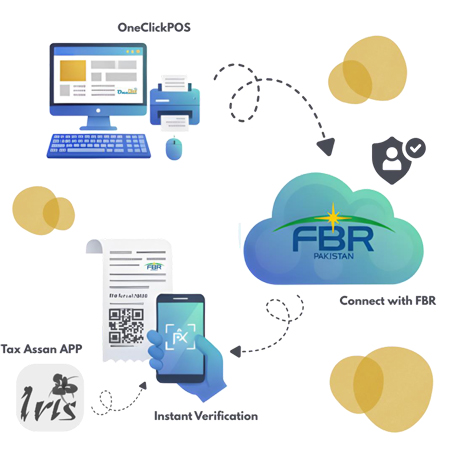
Central to Pakistan’s governance transformation is digitization. By systematically reducing human discretion, digital systems are closing long-standing avenues for petty corruption and inefficiency. The Federal Board of Revenue (FBR) exemplifies this transition. Automated tax filing, real-time point-of-sale integration, algorithm driven audit selection, and online payment systems have minimized personal contact between taxpayers and officials. These reforms not only increase compliance but also enhance citizen confidence by ensuring predictability, traceability, and fairness in revenue administration. The cumulative effect is a revenue system that is both more efficient and more credible.
Public procurement, historically one of the most corruption-prone areas of governance, has undergone similar reform. The adoption of e-procurement platforms has replaced opaque, paper-based processes with transparent digital trails. Tenders are publicly advertised, bids submitted electronically, and contract awards documented and accessible. This visibility deters favoritism, enables independent oversight, and significantly reduces opportunities for manipulation. Transparency in procurement is particularly critical given its fiscal scale, and Pakistan’s shift toward digitized procurement represents a meaningful structural safeguard.

Merit-based recruitment has also advanced, particularly through standardized testing bodies such as the National Testing Service. Competitive examinations, transparent scoring mechanisms, and documented selection processes have curtailed political interference in public sector hiring. This shift has long-term implications for governance quality, ensuring that competence rather than patronage determines entry into public service. For a country with a young and increasingly educated population, transparent recruitment is central to restoring trust in state institutions.

Social welfare delivery offers another compelling example of transparency-driven reform. The Benazir Income Support Programme (BISP) now relies on direct digital transfers into beneficiaries’ bank accounts, eliminating intermediaries and minimizing leakages. Beneficiary verification through NADRA’s biometric systems ensures that assistance reaches intended recipients, while digital records enable real-time auditing. This integration of identity verification with financial transfers places Pakistan among regional leaders in transparent welfare delivery.
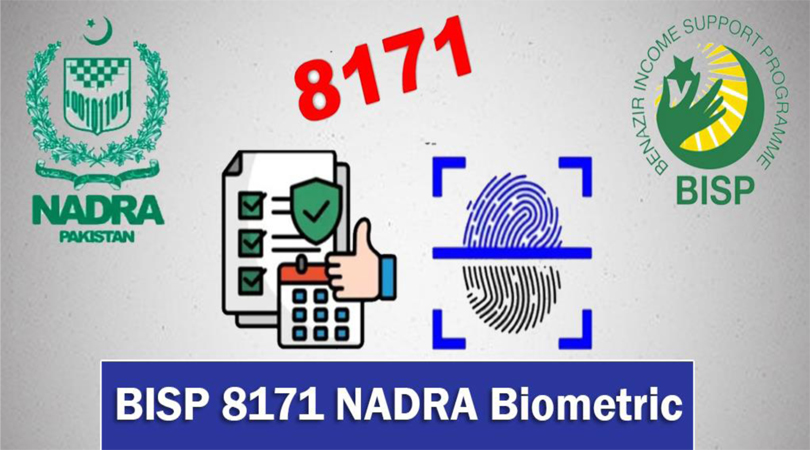
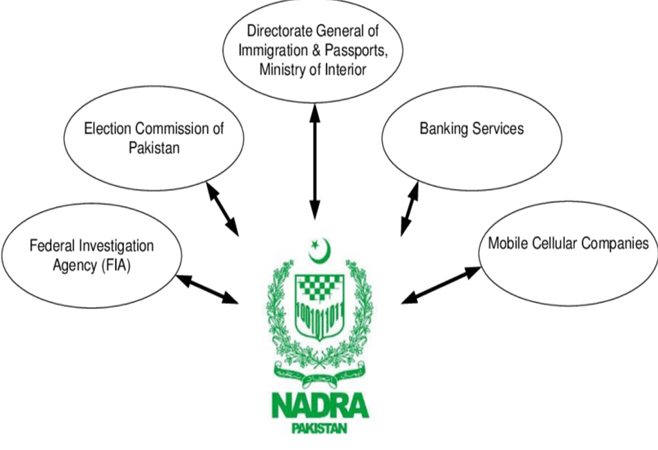
NADRA’s role in Pakistan’s governance ecosystem cannot be overstated. With a biometric database covering over 230 million citizens, NADRA underpins transparency across banking, welfare, law enforcement, and service delivery. Secure digital identities reduce fraud, enable swift verification, and ensure accountability across sectors. The same infrastructure has transformed Pakistan’s telecom sector, where biometric SIM verification has curtailed anonymous communication, enhanced security, and improved regulatory oversight. These reforms illustrate how transparency and security objectives can be mutually reinforcing.
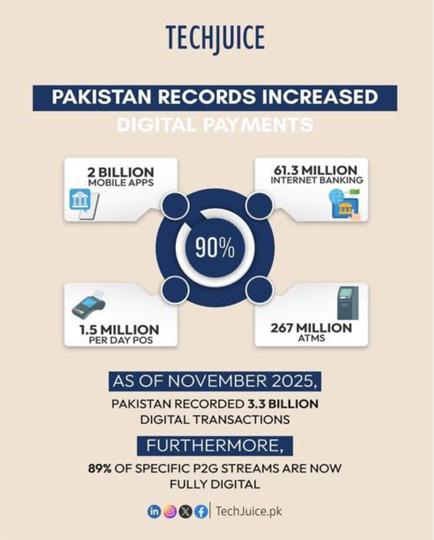
Financial transparency has also benefited from the expansion of digital banking and fintech. Reduced reliance on cash transactions limits informal payments and creates auditable financial trails. The State Bank of Pakistan’s monitoring mechanisms, including automated flags for large transactions, enhance oversight while maintaining market efficiency. Public access to financial data and regulatory updates further strengthens institutional credibility and public trust.
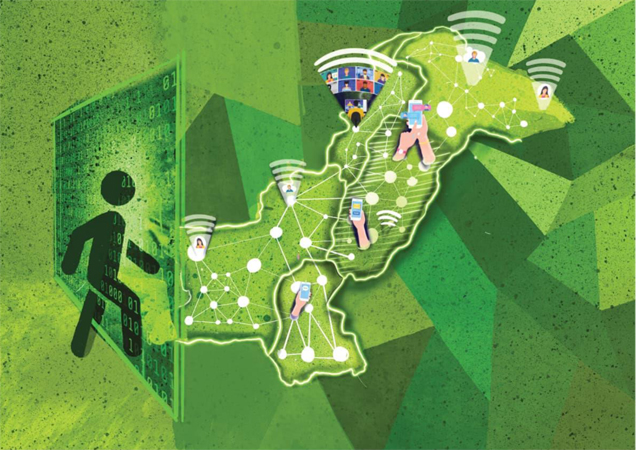
Equally important is the expansion of transparency reforms to provincial and local levels. Digital complaint portals, automated record-keeping, and online service delivery platforms are increasingly common across provinces. Citizens can now access essential services, from licenses to tax payments without unnecessary bureaucratic contact. This decentralization of transparency ensures that governance reform is not confined to federal institutions but embedded across the state apparatus.
Pakistan’s governance evolution is not without challenges, nor is it complete. However, it is increasingly structural rather than symbolic. Ministries now publish audits, procurement data, and performance reports with greater regularity. Institutional self assessment is becoming a tool for improvement rather than avoidance. Transparency is being internalized as a governance norm,
supported by technology, regulation, and enforcement. The persistence of outdated narratives should not obscure this progress. Pakistan’s governance reset is being built on data, digital systems, and documented outcomes rather than declarations. As these reforms mature, they will continue to strengthen economic recovery, rebuild public trust, and improve Pakistan’s standing internationally. The story of Pakistan today is not one of denial, but of incremental, measurable, and increasingly irreversible reform.