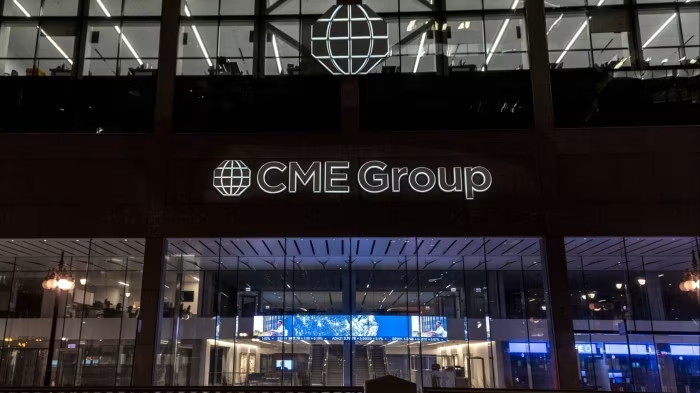
A major technical failure at the Chicago Mercantile Exchange forced a full halt to global derivatives trading on Friday, freezing benchmark prices for stocks, commodities, and government bonds. The disruption occurred after a cooling system breakdown at one of CME’s CyrusOne data centers, instantly pausing activity across all markets. Moreover, the unexpected shutdown affected traders worldwide who rely on CME for real-time price discovery.
The outage left brokers and investors without access to live prices for critical futures contracts, including WTI crude oil, U.S. Treasury notes, the S&P 500, and Nasdaq 100. Services on Electronic Broking Services also stopped, disrupting major currency pairs such as the euro and dollar. Additionally, many brokers pulled products from their platforms due to the inability to determine accurate values.
Read more : Earth heats faster as climate crisis deepens globally
Market analysts described the situation as unprecedented, noting that participants were “flying blind” throughout the freeze. They warned that attempting to price financial products without updated data would create unnecessary risks and confusion. Consequently, several trading desks paused operations to avoid mispricing and potential losses in the absence of reliable indicators.
Experts further cautioned that volatility may surge once trading resumes, given CME’s central role in the global financial system. In October alone, the exchange processed an average of 26.3 million derivative contracts per day, highlighting its importance to global markets. Furthermore, the outage coincided with the low-liquidity period following the U.S. Thanksgiving holiday, amplifying its impact.
Read more : Global commodity prices to hit six-year low by 2026: World Bank
Despite occurring during a typically quiet session, the freeze cut off a primary source of real-time pricing for assets worldwide. CME confirmed it was working to restore systems and assess the full scope of the problem. The event has reignited discussions about the vulnerability of financial infrastructure and the increasing dependence on large data centers.