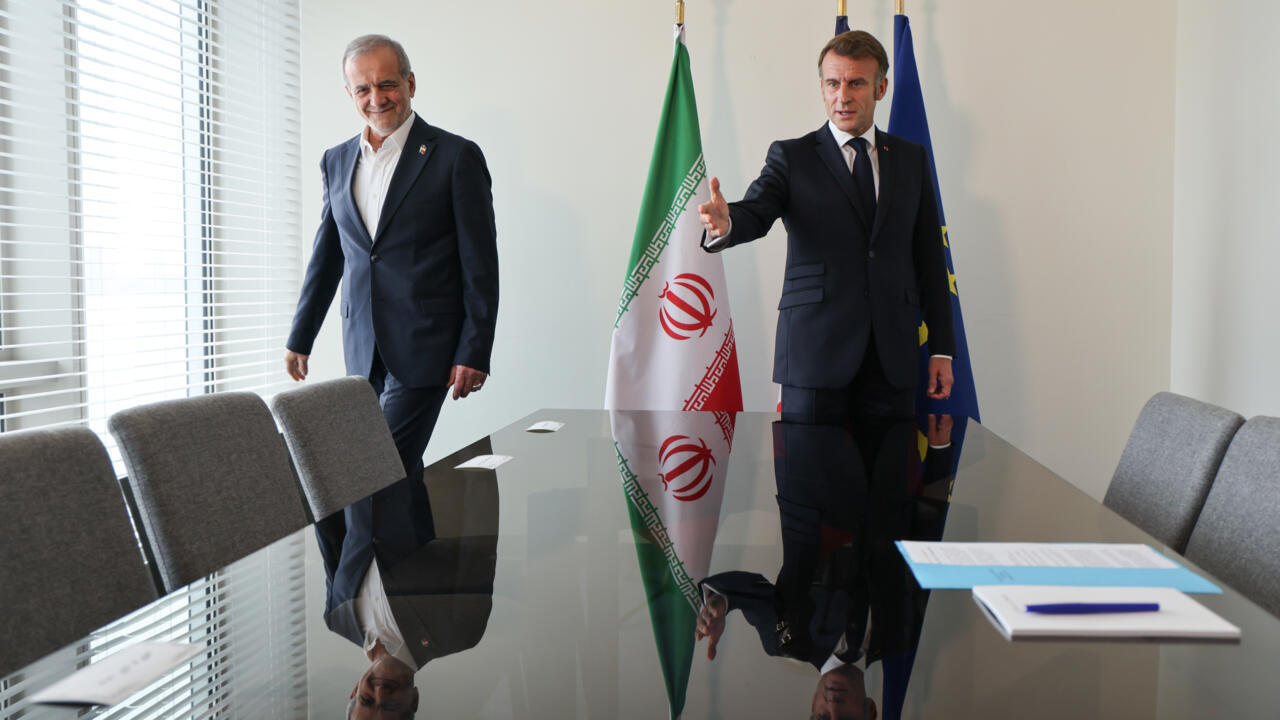
The United Nations has reimposed sweeping economic and military sanctions on Iran, a decade after they were lifted under the landmark 2015 nuclear accord. The move follows the activation of the “snapback” mechanism by the UK, France, and Germany, who accused Tehran of “continued nuclear escalation” and failing to cooperate with international inspectors.
Iran suspended inspections of its nuclear sites in June after US and Israeli strikes targeted several facilities and military bases. While inspections have since resumed, Western powers say Tehran has not allowed the International Atomic Energy Agency (IAEA) full access, nor provided a full account of its enriched uranium stockpiles.
President Masoud Pezeshkian denounced the sanctions as “unfair, unjust, and illegal,” insisting that Iran has no intention of developing nuclear weapons. He warned that renewed sanctions could jeopardize negotiations and demanded assurances that Israeli strikes would not target Iran’s nuclear infrastructure.
The reimposition of sanctions marks another blow to the Joint Comprehensive Plan of Action (JCPOA), which was designed to limit Iran’s nuclear activity while allowing peaceful energy development. The deal was thrown into disarray when former US President Donald Trump withdrew in 2016, later ordering strikes on Iranian sites.
European allies maintain that diplomacy is still possible, but stressed Iran’s repeated breaches left them with “no choice” but to trigger sanctions. The US has meanwhile rejected Iran’s offer of a temporary compromise, demanding full handover of enriched uranium stocks.
Tehran, however, says it will not submit to what it calls “a monthly noose” and continues to reject claims that its nuclear programme has military aims. The standoff leaves the future of the nuclear deal—and wider regional stability—in fresh uncertainty.