Pakistan has been a victim of unprecedented levels of psycho-social toxicity. The aftermath of years of war against terrorism, man-made and natural disasters, ethnic and sectarian conflicts, poverty, inequality, insecurity and injustice has affected the psycho-social fabric of the country adversely. The psycho-social toxicity manifestations caused loss of compassion, loss of social, cultural, ethical values and loss of civic and social responsibilities, which as a result created aggression, violence, drug use and involvement in crimes. This trauma destabilised mental functioning affecting families, communities and countries, respectively.
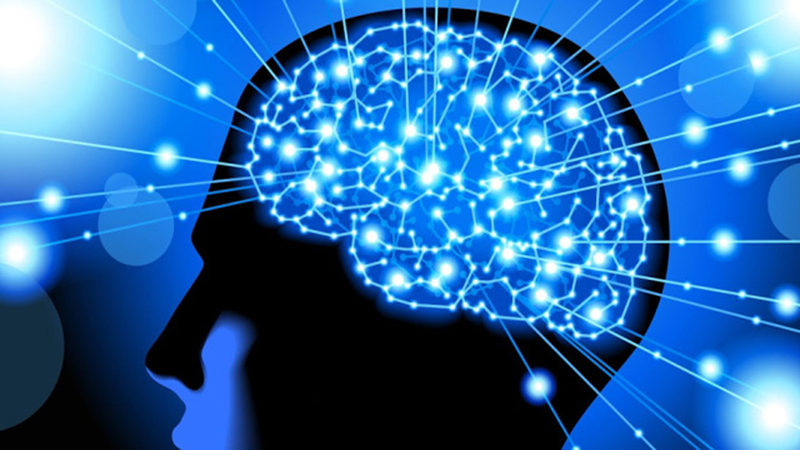 The virtually unaddressed psychological damage has instilled a sense of perpetual fear leading to insecurity, paranoia, and intolerance into the minds of the citizens. Despite being a resilient nation, the people of Pakistan live through un-remitting emotional and social trauma on a daily basis. Trauma is an overwhelming state and it has very adverse effects on body functioning. There are micro and macro levels of trauma but in Pakistan, unfortunately, there is focus on one side only. Trauma is ready to be inflicted in one’s mind due to day to day developments in society.
The menace of terrorism has left deep social and psychological scars on the country. The individual affected during war against terrorism will carry the trauma throughout the life if not addressed immediately. Repeated displacement, dispossession and trauma can breed lack of cooperation which further sows the seeds of psycho-social toxicity.
The psycho-social impact of terrorism is not only multipronged but also intertwined. Post-traumatic stress disorder (PTSD), depression, and use of drugs have become endemic. Insecurity breeds xenophobia, which then leads to stereotyping as well as ostracising of vulnerable and marginalised groups. Unfortunately, the state’s role in curtailing such societal schisms has been very weak, especially in terms of mental healthcare facilities. The lack of state empathy and responsiveness towards one’s citizenry can trigger antipathy, anger and frustration even amongst the most educated and culturally varying groups within society. Such discontent, demoralization and dehumanization shatter peoples’ sense of belonging and identity, forcing them to drift away from the societal sphere. Social disparity creates hate, hate just needs a spark.
The future of warfare belongs to neurosciences where the effort is to target/control human brains of the targeted state. Under the guise of fifth generation warfare, states are investing in technologies and research on how a country can be devastated through low intensity warfare using terrorism. The era of robotic warfare is ahead, the next generation drones will be guided by brains. There is a need to understand that national security policy/strategy should include various aspects of neurosciences.
The mental health problems in Pakistan have reached unprecedented proportions in the past few decades due to growing insurgency, natural calamities and the current violence in the society. Mental health care response is not at the par to meet the current challenges and requires changes in the existing policy to build mental health care services as an important component of basic health package. Professional organizations (non-governmental) working for the promotion of mental health in Pakistan have been evolved in the past few decades, but the pace is not compatible with the rapid changes in the mental health situation in Pakistan.
Addressing mental health problems remains a low priority at the policy level and needs a collaborative strategy from policy makers, professional bodies for mental health, academics and professionals working in the mental health field. So it is pertinent to review the existing mental health treatment policy and to work for a collaborative national mental health strategy, to bring changes in the current infrastructure in terms of treatment approach, and easy excess to the psychiatric facilities, public-private partnership, professional training and above all to extend mental health treatment to primary care supported by secondary care.
There is hope for the future but we must get together to address the trauma and manage the psycho-social toxicity of this environment. Pakistan needs to work on the concept of socio-psychological immunisation to prevent individuals from toxicity. There are three ways to deal with the menace of trauma: social and emotional security, resource building and bridging the intergenerational gap. For social security government must address social disparity. For emotional security, there should be emotional counseling of youth on regular basis. Resource building is key to regain the momentum of a normal life. This system should include revamping of education system to build personalities of individuals to advance level. Lastly, there must be check on youth’s internet usage in terms of responsible social media activities. There should be regulation to use electronic media for communication. A dialogue with youth is essential to understand their perception about trauma and the ways to cope up with it. The need to revitalise intergenerational communication and responsible use of communication technologies are practical ways and means to address mental health issues in youth.
The writer is a researcher at the Islamabad Policy Research Institute