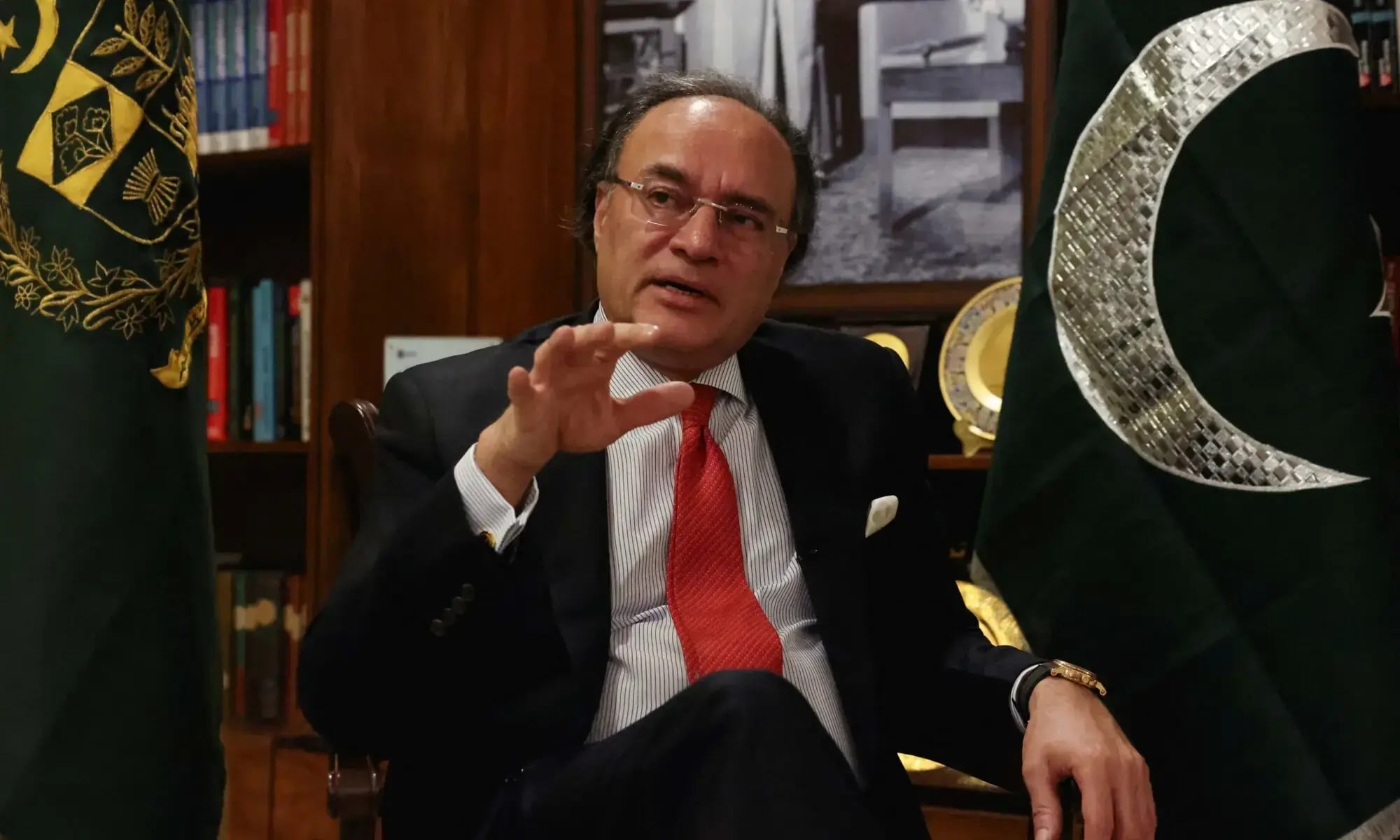
Finance Minister Muhammad Aurangzeb arrived in Washington for a three-day official visit to strengthen economic cooperation between Pakistan and the United States through discussions on trade, investment, tariffs and broader financial collaboration. The visit comes as both countries prepare to resume formal negotiations aimed at expanding bilateral economic ties and creating new opportunities for businesses and investors.
Read more : Aurangzeb begins US visit to boost trade and investment ties
During the visit, Aurangzeb is scheduled to meet officials from the Office of the United States Trade Representative, the US Export-Import Bank, the US International Development Finance Corporation and the International Monetary Fund. Moreover, the meetings will focus on developing a possible bilateral trade agreement, improving market access and encouraging greater investment between the two countries.
A major part of the discussions will cover tariff-related matters, financing opportunities and investment in Pakistan’s infrastructure, energy sector and private businesses. Officials are also expected to explore practical measures that can increase trade volumes while supporting long-term economic cooperation between Islamabad and Washington through mutually beneficial policies.
Read more : Finance minister to hold trade talks in Washington
The visit follows recent progress in tariff negotiations after a Pakistani delegation secured a reduction in the proposed US tariff rate on Pakistani exports from 29 percent to 19 percent. However, the tariff framework later changed after a US Supreme Court ruling invalidated duties imposed under the International Emergency Economic Powers Act, leading to a temporary 10 percent global tariff under Section 122 until July 24.
Pakistan is also responding to a Section 301 investigation by the United States concerning alleged forced labour and related trade practices, with authorities submitting detailed replies ahead of the latest negotiations. Additionally, Aurangzeb is expected to highlight Pakistan’s ongoing economic reforms, efforts to maintain macroeconomic stability and plans to attract foreign investment through future Panda Bonds and Eurobond issuances.