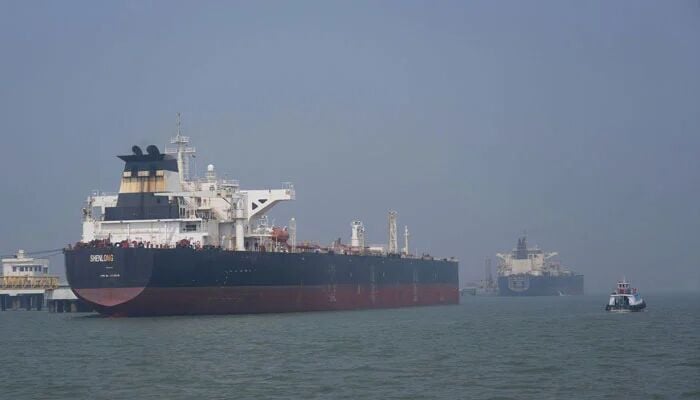
Iran and the United States agreement has led to the resumption of oil shipments and maritime traffic through the Strait of Hormuz, according to international media reports. The development marks a significant easing of tensions in a key global energy route. The reopening is expected to stabilize oil supply chains and restore confidence in global energy markets.
Reports indicate that the US military has lifted a naval blockade previously imposed on Iranian ports following the agreement. Gulf countries have also accelerated measures to normalize crude oil exports through key shipping routes. The reopening comes as regional producers move quickly to restore disrupted energy flows.
The UAE’s state-owned energy company ADNOC has reportedly resumed crude loading operations from Das and Zirku islands. Iraq has also announced a phased restoration of oil production and exports, instructing buyers to deploy tankers for shipments from southern terminals. These steps reflect a coordinated regional effort to restart energy trade.
Kuwait Petroleum Corporation has also reversed earlier wartime suspension notices and resumed operational activities. Meanwhile, reports suggest Saudi Arabia’s oil shipments have already resumed movement through the Strait of Hormuz, with supertankers carrying millions of barrels passing through the waterway shortly after the agreement.
The developments follow the Iran-US deal signed earlier this week, which also includes arrangements for clearing naval mines under the agreement framework. Officials say the reopening of Hormuz is expected to ease pressure on global oil prices and support stability in international energy markets.