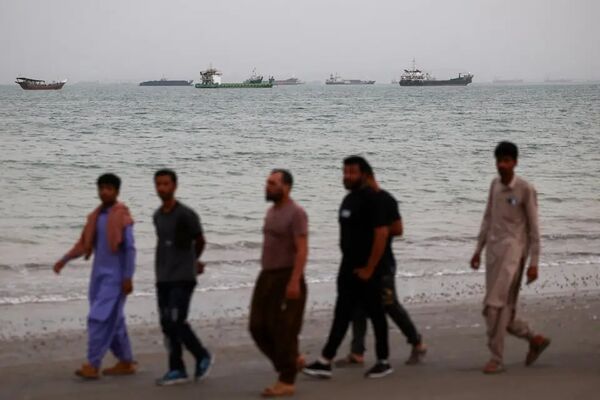
Several oil and LNG vessels exited the Strait of Hormuz this week, carrying energy supplies toward Pakistan and China despite ongoing regional conflict. The movements signal limited recovery in Gulf shipping routes disrupted by the US-Israeli war against Iran. The conflict sharply reduced traffic through one of the world’s most critical energy corridors.
Shipping data showed LNG tanker Fuwairit crossed the strait on Monday after loading cargo at Qatar’s Ras Laffan port. The Bahamas-flagged vessel is expected to unload its shipment in Pakistan on Tuesday. Another LNG tanker, Al Rayyan, also exited the waterway and is scheduled to deliver cargo to China in June.
Read more: Iran announces new body to manage Strait of Hormuz
Meanwhile, the supertanker Eagle Verona left the Gulf on Saturday carrying nearly two million barrels of Iraqi crude oil. The vessel is expected to arrive at Ningbo port in eastern China on June 12. Shipping records showed the tanker remained stranded for almost three months before departing through Iran’s approved transit route.
The US-Israeli war on Iran, which began on February 28, severely disrupted shipping through the Strait of Hormuz. Around one-fifth of global oil and LNG supplies normally pass through the narrow waterway. Last week, three major crude carriers successfully transported six million barrels of oil to China and South Korea.
Read more: Rubio rejects Hormuz toll system plan
Before the conflict, daily traffic through the strait averaged between 125 and 140 vessels. However, shipping activity remains far below normal levels due to security concerns and military restrictions. Reports also indicated nearly 20,000 seafarers remain stranded aboard hundreds of ships inside the Gulf.