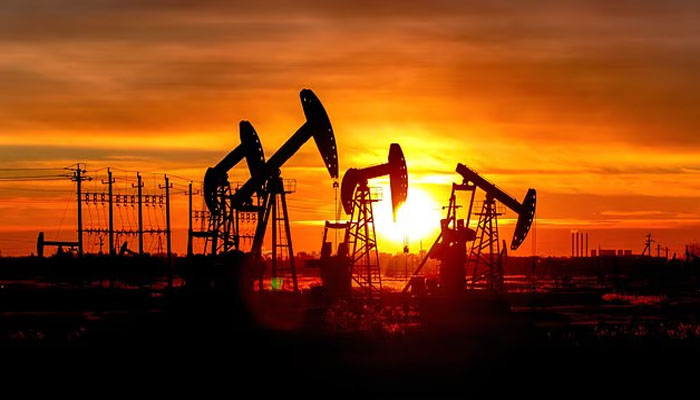
Oil prices rose on Friday as investors remained uncertain about the prospects of a breakthrough in ongoing negotiations between the United States and Iran, despite signs of limited diplomatic progress.
Read More: Oil prices fall below 100 dollars on Iran deal hopes
Global benchmark Brent crude climbed 1.6 per cent to more than $104 a barrel, while US West Texas Intermediate crude also gained over one per cent in early trading. However, both benchmarks remained on course for weekly losses after volatile trading driven by shifting expectations surrounding the talks.
Officials from Washington and Tehran have recently indicated that some progress has been made, but major disagreements continue over Iran’s uranium stockpile and control of the Strait of Hormuz, one of the world’s most critical oil transit routes.
Analysts say uncertainty surrounding the conflict and regional energy infrastructure continues to support higher oil prices. Economists at Capital Economics warned that market conditions may remain tight until at least 2027 unless oil supply fundamentals improve significantly.
The conflict has already disrupted global energy flows, with roughly 14 million barrels of oil per day reportedly removed from the market due to supply interruptions affecting producers including Saudi Arabia, Iraq, United Arab Emirates and Kuwait.
Industry analysts also expect oil prices to remain volatile in the coming weeks, with traders closely monitoring diplomatic developments and production decisions by the OPEC+ group.
Meanwhile, BMI, a unit of Fitch Solutions, raised its 2026 Brent crude price forecast, citing supply shortages and the lengthy recovery expected for damaged Middle East energy infrastructure.
Read More: Pakistan fuel prices surge sharply after global oil shock
Energy market experts warn that prolonged instability could continue to fuel inflation concerns and pressure the global economy.