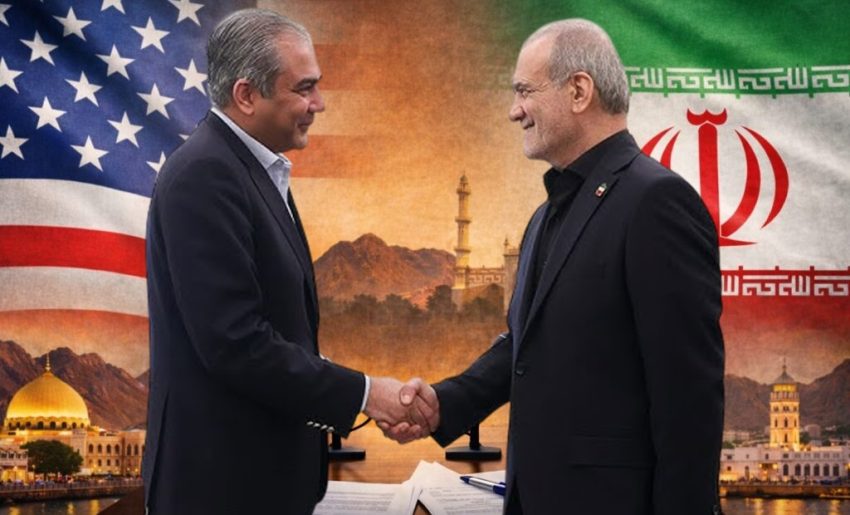
Pakistan’s Interior Minister Mohsin Naqvi has arrived in Tehran for a second visit within 24 hours as diplomatic efforts related to possible negotiations between the United States and Iran continue.
Read More: Mohsin Naqvi visits Tehran amid stalled US-Iran negotiations
According to diplomatic sources, Mohsin Naqvi is expected to hold meetings with senior Iranian leaders to discuss regional developments and ongoing attempts to revive dialogue between Washington and Tehran amid rising tensions in the Middle East.
وزارتِ داخلہ کے ایک اہلکار نے بی بی سی نیوز اردو کو بتایا کہ وزیر داخلہ محسن نقوی کا یہ ’دورہ پچھلے دورے کا تسلسل ہے اور ان کا ایجنڈا (امریکہ اور ایران کے درمیان) مذاکرات کی بحالی ہے۔‘
تفصیلات: https://t.co/OiOycvattc pic.twitter.com/wnVQjybzSA— BBC News اردو (@BBCUrdu) May 20, 2026
The latest visit comes shortly after the Pakistani minister’s earlier trip to Iran, during which he met Iranian President Masoud Pezeshkian, chief negotiator Mohammad Bagher Ghalibaf, and Foreign Minister Abbas Araghchi.
Sources said discussions during the previous meetings focused on bilateral relations, regional security, and the evolving situation in the Middle East. Pakistan has reportedly been involved in diplomatic communication aimed at reducing tensions and encouraging negotiations between Iran and the United States.
Diplomatic observers view Pakistan’s engagement as part of broader regional efforts to prevent further escalation and promote stability through dialogue.
After concluding his previous visit to Tehran, Mohsin Naqvi traveled directly to Balochistan, where Prime Minister Shehbaz Sharif and Field Marshal Syed Asim Munir were also present.
Read More: Mohsin Naqvi continues Tehran talks on Iran-US dialogue
Although officials have not publicly disclosed the details of the ongoing diplomatic discussions, recent regional tensions and statements from both Washington and Tehran have increased the urgency of mediation efforts.
Pakistan has consistently called for peaceful dialogue and diplomatic engagement to address conflicts in the region and avoid further instability in the Middle East.