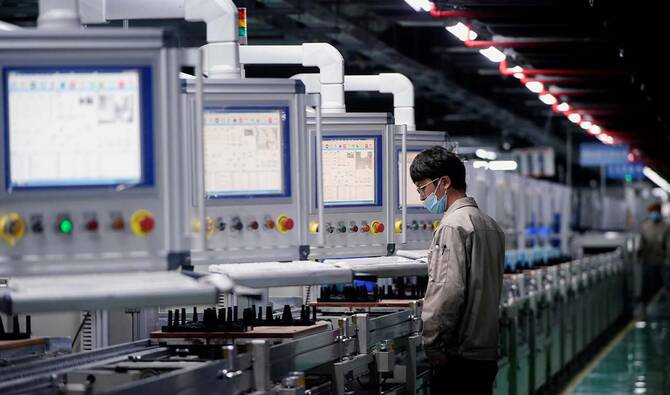
Contemporary Amperex Technology Co. Limited is in discussions with Pakistan over possible investment and cooperation in advanced battery manufacturing, according to diplomatic and business officials. The talks aim to explore opportunities in energy storage and electric vehicle supply chains as Pakistan seeks to attract high-tech Chinese industrial investment.
Pakistan’s ambassador to China Khalil Hashmi said the discussions form part of broader efforts under the second phase of the China Pakistan Economic Corridor. Moreover, this phase focuses on manufacturing, technology transfer, industrial zones and agriculture rather than traditional infrastructure and power projects.
Read more : Million-mile EV battery could change driving forever
Officials said Pakistan is actively encouraging CATL to consider local investment partnerships in battery production and related energy storage systems. Furthermore, progress in negotiations is expected during Prime Minister Shehbaz Sharif’s upcoming visit to China, where additional industrial cooperation frameworks may be reviewed.
CATL, headquartered in China, is the world’s largest electric vehicle battery producer and supplies systems to major global automakers including Tesla, BMW, Volkswagen and Ford. Additionally, its technological leadership in lithium ion batteries has positioned it at the centre of the global electric mobility transition.
Read more : Pakistan invites Chinese firms to expand footprint in key sectors
During the meeting, Hashmi highlighted that global battery technology is gradually shifting beyond lithium ion systems toward sodium based alternatives. He also noted that Pakistan possesses key raw materials required for future battery production, creating potential for long term industrial collaboration in the emerging sector.
Officials further stated that Pakistan is working to improve conversion of signed agreements into operational projects through a new implementation mechanism. As a result, nearly 30 percent of memorandums of understanding with Chinese partners are now moving toward commercial contracts and active ventures.