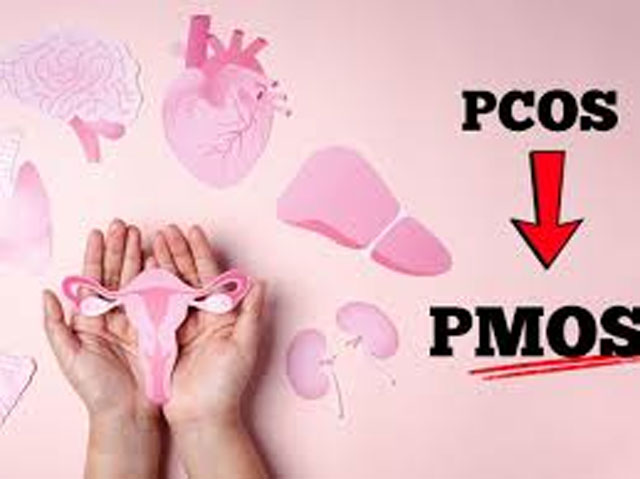
Polycystic Ovarian Syndrome (PCOS), a common hormonal disorder affecting millions of women worldwide, has been officially renamed Polyendocrine Metabolic Ovarian Syndrome (PMOS) in a move aimed at improving diagnosis, awareness and medical treatment.
Read More: PCOS cursing the generations
The updated terminology was announced in a study published in The Lancet and presented at the European Congress of Endocrinology in Prague. The change follows 14 years of collaboration between international medical societies and patient advocacy groups.
PCOS has a new name — Polyendocrine metabolic ovarian syndrome, or PMOS for short.
Experts say the old name was misleading, since it suggests ovarian cysts are the main issue when they are not actually a defining feature.
Read more: https://t.co/2oKoLBUoM3
— ABC News (@ABC) May 12, 2026
Researchers estimate that PCOS affects around 10 to 13 percent of reproductive-aged women globally, with prevalence reported as high as 50 percent in Pakistan. Despite its widespread impact, experts say the condition remains significantly underdiagnosed.
Medical professionals involved in the renaming argue that the previous term “PCOS” was misleading, as it focused primarily on ovarian features that are not always central to the disorder.
They explain that the condition is actually driven by complex endocrine disruptions involving insulin regulation, androgen levels, and neuroendocrine function, affecting multiple systems in the body.
Experts say the term “polycystic” has also contributed to confusion, as many patients do not develop ovarian cysts, while others may show symptoms without clear ovarian abnormalities. This mismatch has reportedly contributed to delayed diagnosis and limited understanding among both patients and healthcare providers.
According to endocrinologists, the new term PMOS better reflects the broader metabolic and hormonal nature of the condition. It also highlights the increased risk of long-term complications such as type 2 diabetes, cardiovascular disease and metabolic disorders.
Professor Helena Teede, a leading researcher in women’s health, said the previous name failed to capture the full burden of the condition, which affects multiple body systems rather than only the ovaries.
Read More: 7 homemade concoctions that help in dealing with PCOS pain
She added that the updated terminology is expected to improve clinical recognition, reduce diagnostic delays and support more effective treatment strategies. Health experts hope the change will encourage earlier screening, better patient education and improved global awareness of the condition, particularly in regions where diagnosis rates remain low despite high prevalence.