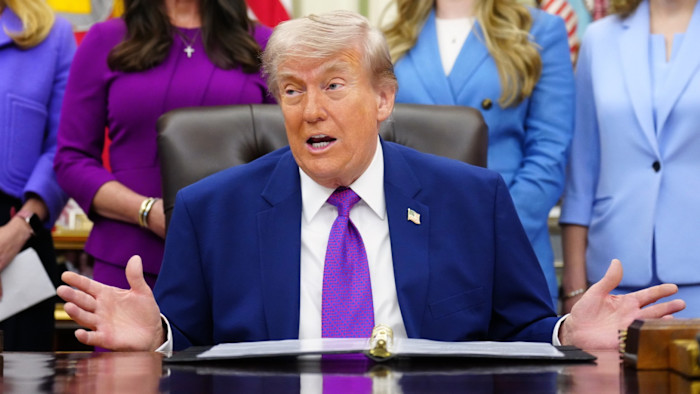
US President Donald Trump stated that the ceasefire with Iran is on “life support” after he rejected Tehran’s response to a US peace proposal. He said the reply showed little progress and increased doubts about continuing diplomatic efforts. As a result, tensions remain high in the 10-week-long conflict involving Iran and its regional allies.
Furthermore, Trump told reporters that he considered Iran’s response unacceptable and claimed it undermined ongoing peace efforts. He explained that the proposal sent by Tehran included demands that the United States could not accept under current conditions. Consequently, Washington views the situation as fragile and unstable despite earlier hopes for negotiation.
Read more : Trump set for key china visit amid Iran war, trade tensions
In addition, Iran responded by demanding an end to the war, lifting of sanctions, and release of frozen assets held in foreign banks. Tehran also insisted on free movement through the Strait of Hormuz and compensation for war-related damage. Meanwhile, Iranian officials defended their position, calling their demands legitimate and focused on regional stability.
Moreover, the deadlock has raised concerns over global energy security as shipping through the Strait of Hormuz remains heavily disrupted. Brent crude prices increased to around $104 per barrel as traders reacted to supply risks. Therefore, disruptions have already reduced oil exports and pushed OPEC output to its lowest level in more than two decades.
Read more : Iran sends response to US peace proposal via Pakistan –
Meanwhile, limited shipping activity continues through the strategic waterway as tankers move cautiously under security threats. Reports indicate that some vessels have switched off tracking systems to avoid potential attacks. As a result, global energy transport remains under severe pressure, affecting both oil and liquefied natural gas flows.
Additionally, Trump is expected to discuss the Iran conflict during his upcoming visit to Beijing with Chinese President Xi Jinping. The United States has urged China to use its influence over Iran, while diplomatic efforts continue with regional mediators. Ultimately, the outcome of these talks may shape the next phase of either escalation or renewed negotiations.