 Pakistani authorities on Saturday evening began easing restrictions following the departure of an Iranian delegation and a US decision not to send its delegation to Islamabad for potential talks, offering relief to hundreds of thousands of residents after nearly a week of near-lockdown conditions.
The developments signal a setback to Pakistan’s efforts to host a second round of talks.
The Islamabad administration said in a post on the social platform X that entry of all types of public and goods transport has been allowed. It added that bus terminals across the capital have reopened, except for a key terminal on the city’s outskirts, which will remain closed until further notice.
The move is expected to improve the supply of fruit, vegetables and other essential items in the capital.
Security tightened at all entry and exit points of Islamabad
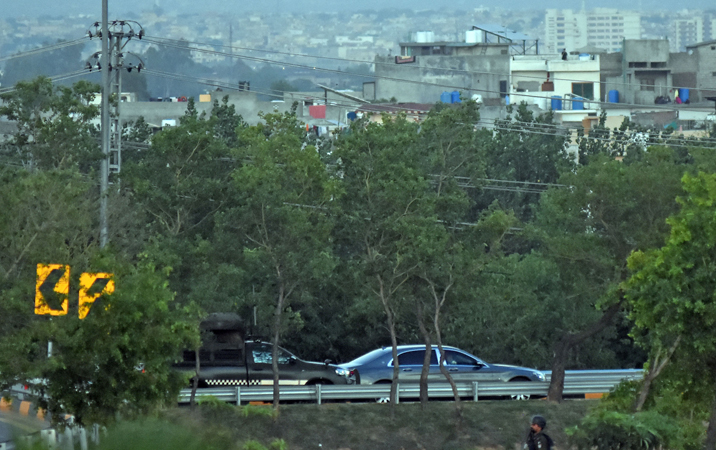
Security across the federal capital has been significantly bolstered , with law enforcement agencies implementing a stringent monitoring regime at all key transit points.
The move comes as part of a proactive strategy to maintain public order and ensure the safety of citizens amid heightened regional sensitivities, according to sources.Authorities have deployed additional contingents of police and paramilitary forces to man the “Ring of Steel” surrounding the city.
Commuters entering from Rawalpindi and other neighbouring areas are facing rigorous inspections, with electronic surveillance being utilised to track vehicular movement in real-time.
A senior security official noted that these measures, while potentially causing temporary delays for motorists, are essential for “forestalling any untoward incidents” and maintaining a robust security perimeter around sensitive installations.
In addition to the physical presence of officers, the capital’s high-tech Command and Control Centre is monitoring feed from hundreds of CCTV cameras.
Residents have been advised to carry valid identification documents at all times and to cooperate with personnel at various pickets.
While the city remains open for business, the increased scrutiny at the Red Zone and other high-profile sectors suggests a long-term commitment to this heightened state of vigilance until further notice.