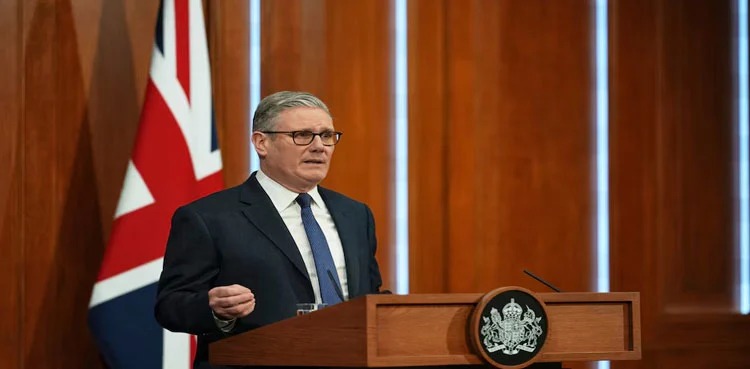
Britain is preparing new legislation aimed at strengthening ties with the European Union as tensions rise with the United States over the Iran conflict and wider global instability. The move reflects a major shift in foreign policy direction under Prime Minister Keir Starmer as London reassesses its post-Brexit relationships with key international partners.
The government plans to introduce an EU “reset” bill that would allow closer alignment with European market regulations, including the possibility of adopting updated EU standards in key economic areas. Officials describe this approach as “dynamic alignment,” which would enable smoother trade and regulatory cooperation between Britain and the 27-member bloc.
Read more : Starmer faces resignation calls over Mandelson row
King Charles III is expected to announce the proposed legislation on May 13 during the official reading of the government’s upcoming parliamentary agenda. The announcement will signal a renewed focus on rebuilding economic and security ties with Europe, a decade after Britain voted to leave the European Union in 2016.
At the same time, rising tensions with US President Donald Trump have added momentum to Britain’s shift toward Europe. Analysts say Trump’s unpredictable policies and strained diplomatic tone have weakened the traditional UK–US “special relationship,” encouraging London to seek greater stability through closer EU cooperation.
Read more : Iran war not our war, UK will not join: Keir Starmer
Economic concerns are also shaping this policy direction, as international forecasts warn that Britain could face significant economic pressure from the ongoing Iran conflict. Experts believe closer integration with European markets, especially in trade, energy, and food exports, could help strengthen economic resilience across the country.
Meanwhile, political debate continues at home as Brexit remains a deeply divisive issue, with some parties supporting closer EU cooperation and others opposing any reversal of the 2016 referendum result. Despite this, public opinion surveys increasingly show growing support for re-evaluating Britain’s long-term relationship with Europe amid global uncertainty.