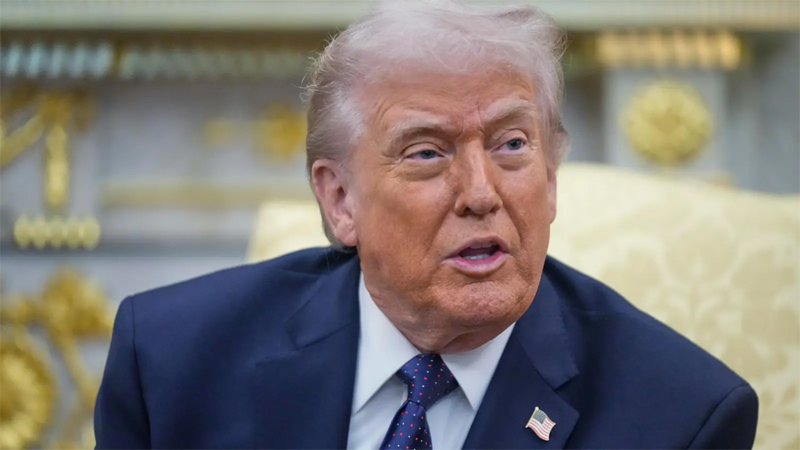
Donald Trump issued a 48-hour ultimatum to Iran on Saturday, demanding the reopening of the Strait of Hormuz or threatening strikes on Iranian power plants. The waterway, crucial for global oil shipments, has effectively been closed by Iran through mine-laying, attacks on vessels, and threats to ships, raising fears of further escalation in the ongoing Gulf conflict.
Read More: Trump warns Iran near destruction, US defends Strait of Hormuz
Tehran has continued missile and drone attacks against the six member states of the Gulf Cooperation Council, along with sporadic attacks on Jordan, Azerbaijan, and Turkey, in response to US and Israeli strikes inside Iran. While Iran has reportedly allowed some vessels to pass, it restricts access to countries it deems adversaries, including the US and its allies.
Experts warn that further retaliatory attacks could escalate the conflict to target energy and power infrastructure, including desalination plants vital to the region, potentially causing severe humanitarian and economic consequences. Shipping disruptions in the strait, which handles roughly one-fifth of global oil trade, could drive up fuel prices, food costs, and manufacturing expenses worldwide, affecting countries including the US.
Iran is already under immense pressure, with over 1,500 casualties from US and Israeli strikes, an overstretched military, and international condemnation. Key Arab nations, along with Pakistan, Turkey, and Azerbaijan, have denounced Tehran’s attacks on regional energy infrastructure, further isolating the country diplomatically.
Read More: Iran Accuses US and Israel of Causing Strait Crisis
Observers stress that lasting resolution requires urgent diplomatic engagement, rather than threats alone. Trump’s ultimatum draws attention to the immediate crisis, but international efforts toward negotiations remain critical to prevent wider regional destabilization and to safeguard global energy markets.