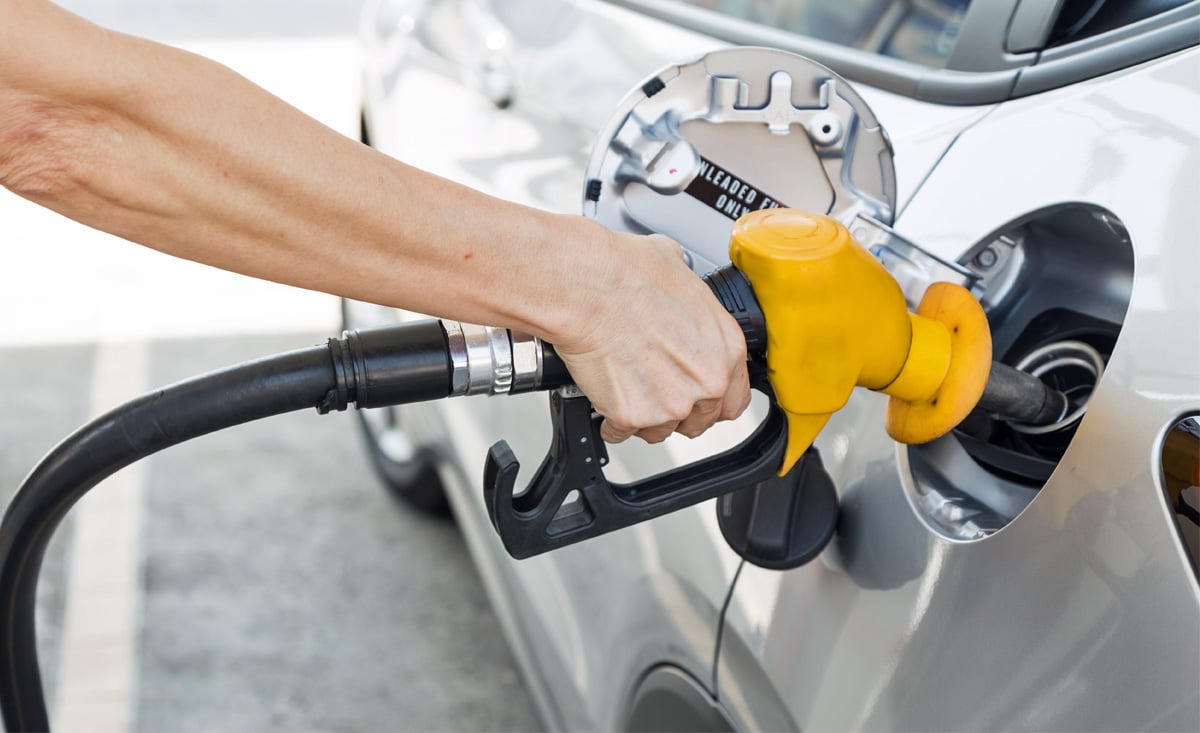
Islamabad: The government has approved a substantial increase in the levy on high-octane fuel, raising it from Rs100 to Rs300 per litre, targeting luxury vehicle users while keeping prices for regular consumers unchanged.
🚨 GOVT HAS INCREASED HIGH OCTANE PETROL BY RS 200/LITRE.
Govt raises high-octane fuel levy from Rs. 100 to Rs. 300/litre, pushing price to Rs. 534/litre. Move targets luxury vehicle users, with expected Rs. 9 billion/month to be redirected for public relief. Prices of regular… pic.twitter.com/0zSwbB4LL0
— PakWheels.com (@PakWheels) March 22, 2026
Prime Minister Shehbaz Sharif gave the approval during a high-level video conference, where officials reviewed fuel pricing and economic relief measures. The hike is aimed at reducing the economic burden on the general population by shifting costs toward affluent car owners.
Read More: Tarar urges public to adopt fuel conservation approach – Daily Times
Officials emphasized that the price increase will not affect public transport fares or air travel costs. The government estimates that the measure will generate around nine billion rupees in monthly savings, which the Prime Minister has directed be allocated to provide relief to ordinary citizens.
The meeting included senior officials such as Minister for Law and Justice Azam Nazir Tarar, Finance Minister Muhammad Aurangzeb, Minister for Information and Broadcasting Attaullah Tarar, and Minister for Petroleum Ali Pervaiz Malik.
This latest adjustment follows a previous hike on March 6, when petrol and diesel prices were increased by Rs55 per litre amid surging global oil costs caused by the ongoing US‑Israel conflict with Iran. At that time, the federal government raised petrol to Rs266.17 per litre and diesel to Rs280.86 per litre.
Read More: Govt not against solar energy, emphasises fair policy for all: Leghari
Following the review, the new petrol price will be Rs321.17 per litre, while diesel will cost Rs335.86 per litre. Officials reiterated that the government remains committed to shielding low- and middle-income consumers from rising energy costs, while ensuring fiscal measures generate savings for public welfare initiatives.