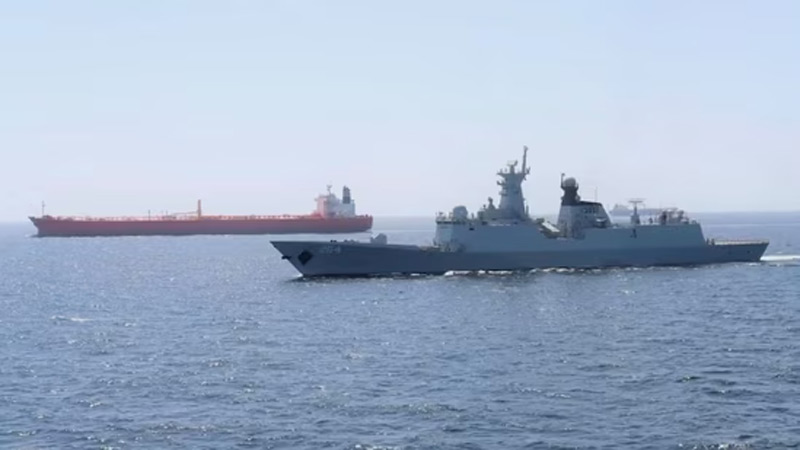
TEHRAN/NEW DELHI — Iran has reportedly placed conditions on the safe passage of Indian flagged ships through the strategically vital Strait of Hormuz, amid ongoing regional tensions and restrictions on international shipping. The development reflects heightened diplomatic and maritime friction linked to broader instability in the region.
Read More: Iran allows two Indian LPG tankers to cross Strait of Hormuz
According to sources cited by Reuters, Tehran has asked India to consider returning three oil tankers that were seized earlier this year as part of negotiations over the safe passage of Indian ships through the narrow waterway. In addition, Iran is said to be seeking supplies of medicines and medical equipment from India as part of any deal for reopening safe transit for Indian vessels.
Iran’s Foreign Minister Abbas Araghchi:
“From our perspective, this is a waterway located next to Iran. Naturally, we will not allow our enemies to use this waterway.
We need to design new arrangements for the Strait of Hormuz and the way ships pass through it in the future… pic.twitter.com/XCpjikK22a
— Polymarket Intel (@PolymarketIntel) March 18, 2026
India, however, has denied that any such negotiations are underway or that it has agreed to Tehran’s demands regarding the release of the tankers in exchange for freedom of navigation. A spokesperson for the Indian government described the reports as inaccurate, saying there have been no formal talks with Iran on the matter.
The dispute comes against the backdrop of a partial blockade by Iran of the Strait of Hormuz, a crucial global energy corridor through which around one‑fifth of the world’s oil and gas shipments normally flow. While Tehran has occasionally allowed some Indian vessels to transit, many Indian ships remain stranded or awaiting clearance.
In recent days, Iran’s ambassador to India said Tehran had granted rare permission for certain Indian‑linked vessels to pass through the strait despite the broader restrictions, underscoring the complexity of the situation.
Read More: Iran denies special passage for Indian tankers through Strait of Hormuz
The European Union and other international actors are also calling for diplomatic solutions to ensure the strait remains open to global shipping, warning that prolonged closure could disrupt international energy supplies and heighten geopolitical tensions.