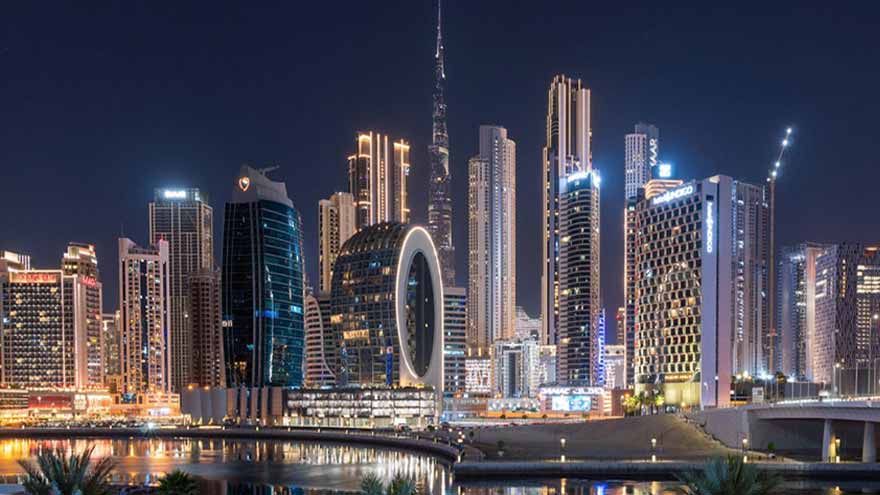
The UAE’s property market faces a major test following Iranian missile strikes on airports, ports, and residential areas, exposing the region’s reliance on foreign investment and undermining its long-standing reputation for stability. Investor confidence has been rattled, prompting analysts to question whether Dubai and Abu Dhabi’s years-long building boom can withstand the crisis.
Developers that previously sold out off-plan launches within hours are now confronting a sharply changed demand landscape. Off-plan transactions accounted for 65 percent of Dubai’s property deals in 2025, highlighting the market’s dependence on pre-construction sales, with foreign buyers playing a decisive role in sustaining growth.
Read more : UAE destroys 161 of 174 Iranian missiles, 13 hit sea
Stock markets reflected immediate impacts, as shares of major developers Aldar Properties and Emaar Properties fell 5 percent, while bond prices plunged sharply. Bond markets, a critical funding source for projects, have effectively frozen for new issuance, creating funding pressure across the UAE real estate sector.
While some developers downplayed the selloff, citing strong Gulf Cooperation Council fundamentals, real estate bankers noted that planned capital raising initiatives have been shelved. International lenders are expected to reduce new loans, potentially forcing asset sales if geopolitical tensions persist, impacting long-term market stability.
Read more : UAE blocks airspace for strikes on Iran
Dubai’s skyline has grown rapidly over two decades, with developments like Palm Jumeirah and Palm Jebel Ali showcasing ambitious land reclamation projects. Abu Dhabi has also expanded its urban footprint, with population growth and foreign investment fueling residential price surges of nearly 13 percent and 32 percent respectively in 2025.
Analysts warn that future demand, particularly from expatriates and non-resident buyers, will determine the sector’s resilience. With new housing supply rising through 2028, geopolitical uncertainty threatens to weaken investment confidence, and the real impact on property values will be clearer once regional stability is restored.