ISLAMABAD: The number of approved special economic zones (SEZ) under the China-Pakistan Economic Corridor (CPEC) has surged from seven to 44 during the second phase of the initiative, with 37 new SEZs notified through coordinated efforts led by Pakistan’s Board of Investment (BoI).
Read More: Pakistan, China sign MoU for Dhabeji SEZ under CPEC 2.0
The development was highlighted during a briefing on Pakistan’s engagement with China under CPEC Phase-II, focusing on SEZ-led industrialisation and business-to-business cooperation. The BoI serves as the lead Pakistani agency for the Joint Working Group on Industrial Cooperation, partnering with China’s National Development and Reform Commission (NDRC). The Project Management Unit of the CPEC Industrial Cooperation Development Project (PMU CPEC-ICDP) has played a central role in reviving Pakistan’s SEZ framework.
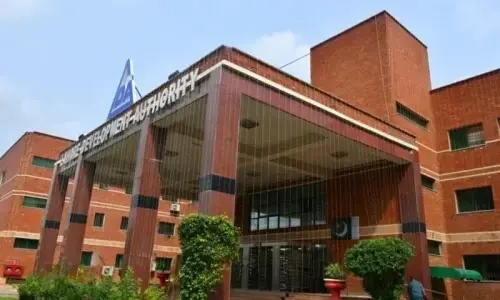
Minister for Board of Investment, Qaiser Ahmed Sheikh, visited the PMU CPEC-ICDP in Islamabad to review progress on SEZ development and industrial cooperation. Key achievements highlighted included advances at Karachi Industrial Park, the Gilgit-Baltistan SEZ, and approval of the Land Lease Policy for Bin Qasim Industrial Park, which addressed longstanding structural bottlenecks for investors.
Officials noted that SEZs are being provided with necessary utilities to ensure a smooth transition from planning to operational readiness. The second phase of CPEC emphasizes industry-led growth, export-oriented manufacturing, technology transfer, and value addition, with SEZs serving as anchor platforms. The programme aligns with the government’s “Uraan Pakistan” 5Es Framework, aiming to enhance exports, competitiveness, and sustainable economic development through joint ventures.
Read More: SEZs to cement Pak-China economic partnership: Expert
Mr Sheikh was also briefed on planned initiatives to mark the 75th anniversary of Pakistan-China diplomatic relations in 2026, aimed at further deepening industrial cooperation and investment. The BoI reaffirmed its commitment to proactive investor facilitation, policy coordination, and collaboration with federal and provincial stakeholders to ensure a predictable, transparent, and investor-friendly environment for both domestic and foreign investors.