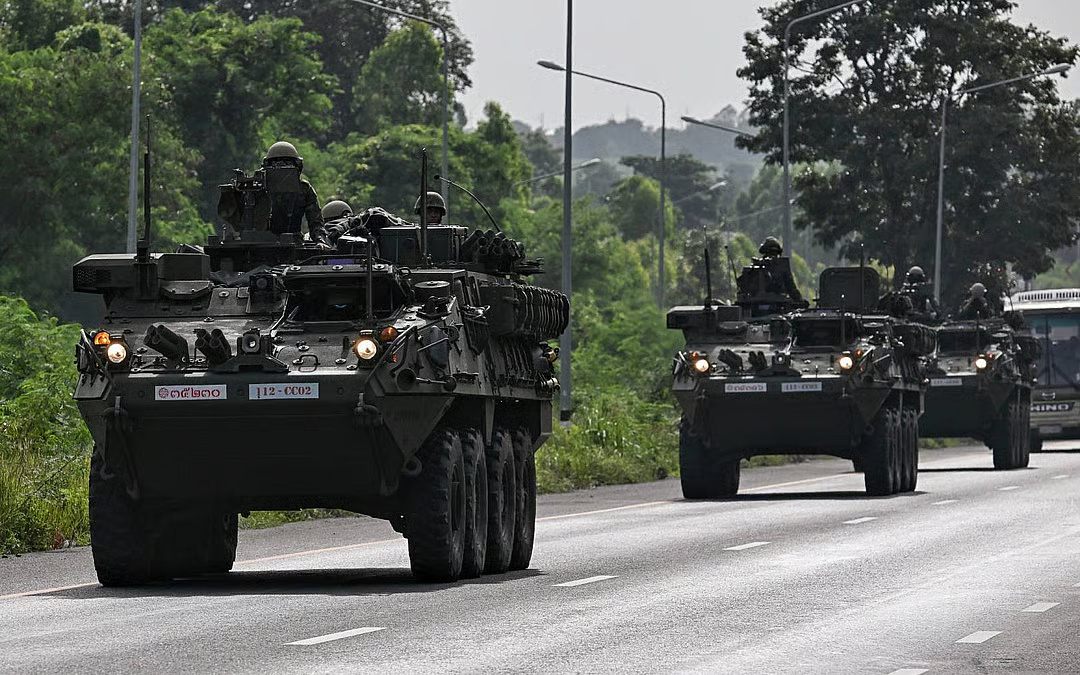
BANGKOK: Thailand’s army on Tuesday accused Cambodian forces of violating a 10-day-old truce by firing mortar rounds into Ubon Ratchathani province, wounding a Thai soldier. The Cambodian side claimed the incident was accidental, saying it resulted from an operational error.
Read More: Thailand–Cambodia Border Clashes Intensify as Air Strikes Begin
The border dispute between the neighbours, which has lasted for decades, escalated into military clashes several times last year. Fighting in December killed dozens and displaced around one million people on both sides. The nations agreed to a truce on December 27, halting three weeks of intense clashes and allowing displaced residents to begin returning home.
Thailand’s Prime Minister Anutin Charnvirakul said Bangkok had lodged a protest with Phnom Penh, demanding clarification on how Cambodia would take responsibility. He added that Thailand had the “capability to respond” if similar incidents occurred, while provincial authorities were told to prepare for contingencies, though no evacuations were ordered.
The December truce had called for a ceasefire, troop freeze, and cooperation on demining along the 800-kilometre border. Both sides have longstanding territorial disputes, including claims over centuries-old temple ruins. Thailand recently released 18 Cambodian soldiers held since July as a gesture of goodwill, while Phnom Penh expressed hope that the move would build mutual trust.
Read More: Thailand–Cambodia ceasefire survives 72 hours
Efforts to maintain peace have been fragile. Previous ceasefires, brokered by the United States, China, and Malaysia, were repeatedly disrupted. In October, US President Donald Trump oversaw a follow-up declaration in Malaysia, which Thailand later suspended after Thai soldiers were wounded by landmines. Both countries are planning meetings to discuss border demarcation, though Thailand says such talks may be deferred until after elections on February 8.
With tensions lingering despite the ceasefire, analysts say resolving the demarcation of the disputed border remains key to ensuring lasting stability between the two Southeast Asian nations.