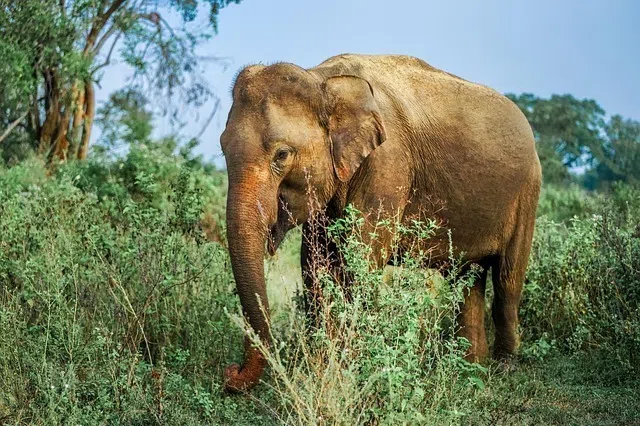
Sri Lankan authorities have arrested three men in connection with the burn alive of a wild elephant, an incident that has triggered widespread outrage both domestically and internationally. A graphic video of the act circulated rapidly on social media, prompting calls for swift justice and stronger wildlife protection.
Police said the suspects, aged between 42 and 50, were arrested from the Anuradhapura district. They have been charged under animal cruelty laws and placed on remand until December 24, 2025.
Read More: Sri Lanka investigates alleged cruelty to Thai elephants
The disturbing footage showed an already injured elephant being deliberately set on fire. Wildlife activists described the incident as one of the most brutal acts of cruelty against animals seen in recent years.
Emergency responders and veterinary surgeons rushed to the scene after the video drew attention to the incident. Despite their efforts to treat the animal’s extensive injuries, the elephant could not be saved.
Three arrested for killing of wild elephant in Mihintale
Read More 👇https://t.co/RTO69sUZYz pic.twitter.com/sVGa1wDFfs
— DailyMirror (@Dailymirror_SL) December 18, 2025
Sri Lanka is home to nearly 7,000 wild elephants, making it one of Asia’s most important habitats for the species. Elephants hold deep cultural and religious significance in the country and are regarded as a national treasure.
Under Sri Lankan law, the killing of an elephant is considered a grave criminal offence. The crime carries the death penalty, reflecting the high level of legal protection granted to the animal.
However, Sri Lanka has not carried out an execution since 1976. As a result, all death sentences handed down by courts are automatically commuted to life imprisonment.
Despite these strict legal provisions, elephant deaths remain alarmingly frequent. Data indicates that nearly 400 elephants have been killed each year over the past five years, largely due to habitat loss, illegal killings, and escalating human-elephant conflict.
Read More: Jumbo task: 400 pills a day for elephants with TB in Pakistan
Conservationists warn that without stronger enforcement of laws, better public awareness, and long-term solutions to coexistence, such incidents may continue. The killing has reignited debate over wildlife protection and the urgent need to safeguard Sri Lanka’s elephant population.