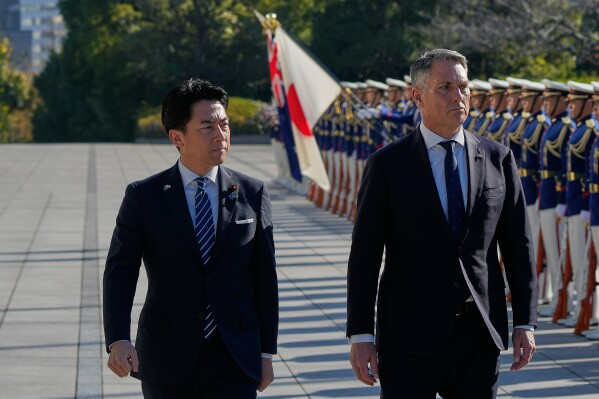
The United States has openly backed Japan after Chinese fighter jets allegedly aimed their radars at Japanese aircraft during a recent training exercise near Okinawa. This incident, described as the most serious military run-in in years, has intensified tensions already heightened by political disputes between Tokyo and Beijing. Moreover, Washington stated that China’s actions threaten regional peace and stability.
Previously, Japan and China shared conflicting accounts of the encounter, further complicating diplomatic efforts. Japan claims the Chinese jets took a hostile step that can signal a potential attack, forcing Japanese pilots to stay on high alert. However, Beijing argued that its aircraft were conducting lawful carrier-based training near the Miyako Strait and that Japanese planes repeatedly approached and disrupted the exercises.
Read more : US freezes all immigration processing for 19 countries
Additionally, U.S. officials reaffirmed their “unwavering commitment” to Japan, highlighting the strength of the alliance as regional tensions grow. Japanese leaders welcomed this support, saying it demonstrates unity at a time when China’s military posture is becoming more assertive. The remarks also follow earlier disputes triggered by Japan’s comments regarding a possible Chinese attack on Taiwan.
Meanwhile, China’s Foreign Ministry defended its military drills, insisting all activities were safe, legal, and restrained. Chinese officials also urged the international community to judge the situation carefully and accused Japan of manipulating its allies. Furthermore, tensions escalated as Japan scrambled jets to monitor joint Russian-Chinese patrols and detected Chinese vessels near the disputed Senkaku Islands.
Read more : Pakistan, US agree to intensify cooperation on security, immigration
Taiwan also weighed in, calling China’s actions “very inappropriate behaviour” and urging Beijing to show responsibility as a major power. Relations between Japan and China have sharply worsened since remarks by Japanese leaders suggested that an attack on Taiwan could trigger a national security crisis. Although some U.S. diplomats have shown public support for Tokyo, Washington’s top leadership remains cautious as it prepares for upcoming trade talks with Beijing.