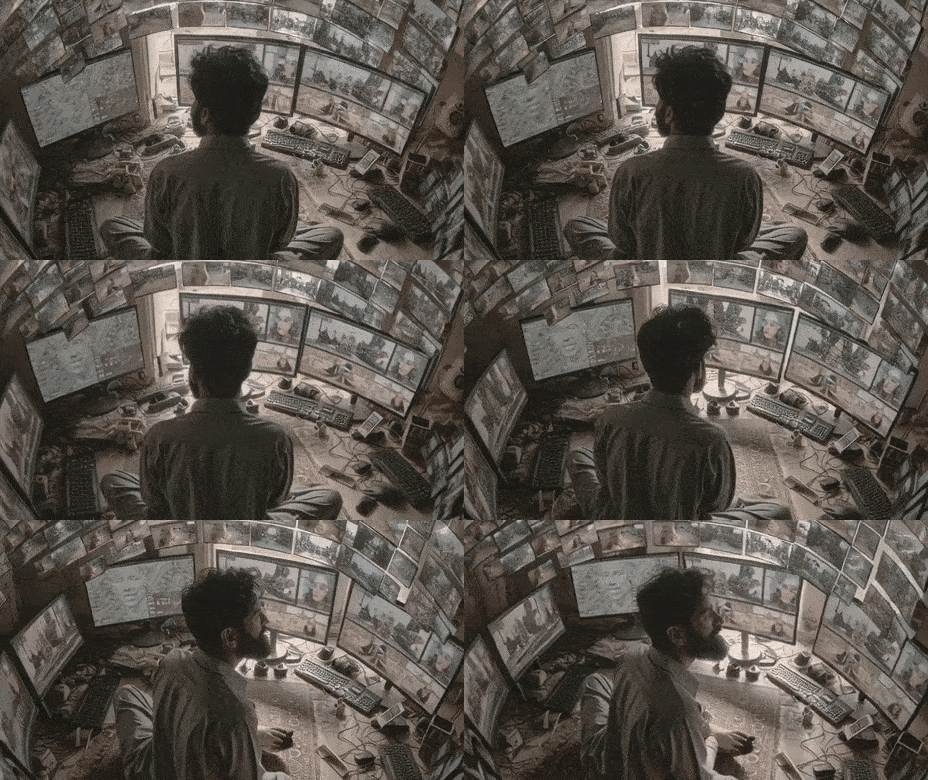
Pakistan’s social media landscape is experiencing a disturbing shift as a flood of AI-generated deepfakes blurs the boundary between truth and fabrication. In recent weeks, journalists, public figures and institutions have found themselves targeted by manipulated videos designed to destroy reputations, stoke outrage and exploit political tensions. The trend highlights a new phase in digital misinformation — one where artificial intelligence can reshape reality with unsettling precision.
محترم جناب عطا ءاللہ تارڑ صاحب اور خاتون صحافی بے نظیر شاہ صاحبہ سے انتہائی معزرت
عطاءاللہ تارڑ صاحب ہمارے بہادر منسٹر ہیں۔ وہ بہتر جانتے ہیں ہمیں میڈیا اور سوشل میڈیا کیسے استعمال کرنا ہے۔ ہم جونئیرز ہیں سینئیر سے سیکھیں گے اور اس پر عمل کرینگے
بحیثیت مسلمان کسی کی بھی دل… pic.twitter.com/BLiC9cdcEK— PakVocals (@PakVocals) November 18, 2025
The latest wave began when an X account shared a doctored video falsely portraying journalist Benazir Shah dancing in a nightclub. A frame-by-frame review revealed telltale signs of manipulation, including flickering skin tones and distorted facial outlines.
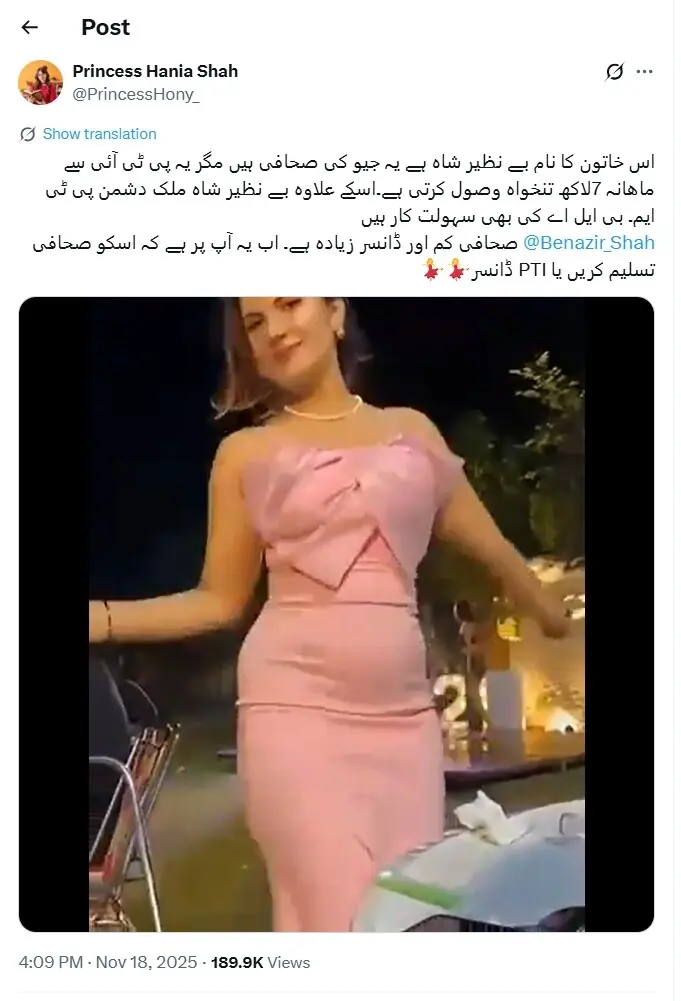
Google Lens later traced the footage back to an Indian actress, confirming that only the face had been altered. Yet despite public apologies and widespread condemnation, the video remained online, continuing to generate views.


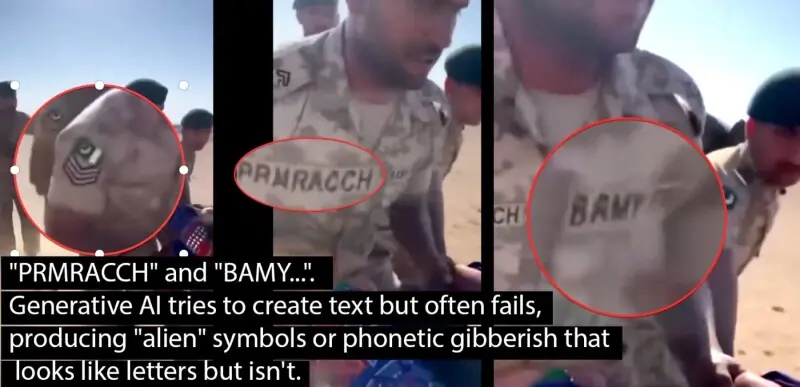
More deepfakes followed, including another edited clip of Shah and a fabricated video that falsely depicted Pakistani soldiers abusing a woman in a desert setting. Digital inconsistencies — from corrupted name tags and distorted limbs to mismatched audio and unnatural silence at the start of the recording — exposed the content as synthetic. Still, hundreds of thousands viewed the posts before any verification occurred.
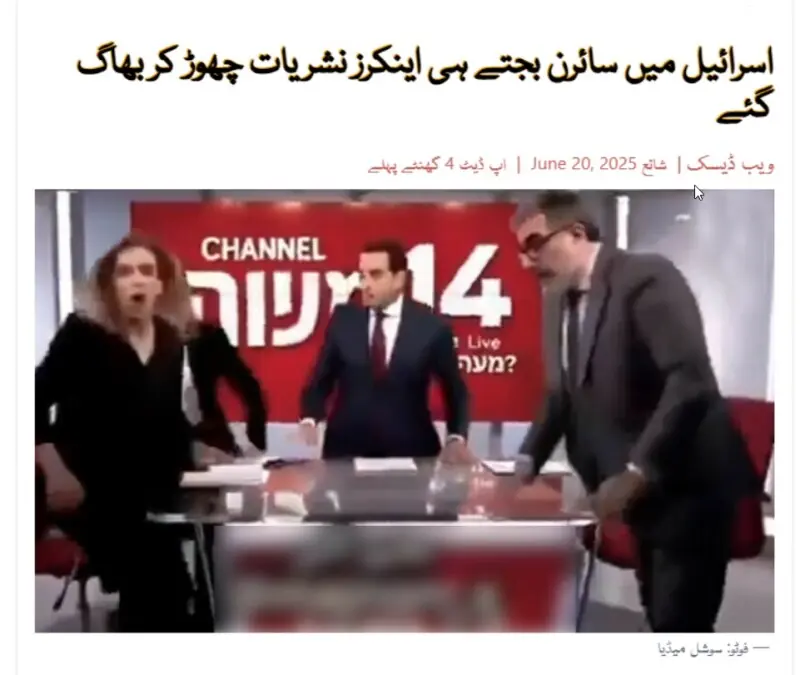
Fact-checking tools have struggled to keep pace. X’s Community Notes often failed to flag manipulated content, and its AI chatbot Grok misidentified deepfakes as authentic. The issue extends globally. During the 2025 Iran-Israel conflict, several Pakistani news outlets mistakenly aired AI-generated footage of a supposed attack on an Israeli news studio, underscoring the vulnerability of even mainstream media.
Investigations now suggest that Pakistan has become a global hub for “AI slop” — mass-produced synthetic content engineered for clicks and revenue. As AI tools grow more advanced and easily accessible, the challenge intensifies. Experts warn that without stronger safeguards, digital spaces may continue to devolve into a “hall of mirrors,” where misinformation spreads faster than truth and public trust erodes with every virally shared fake.