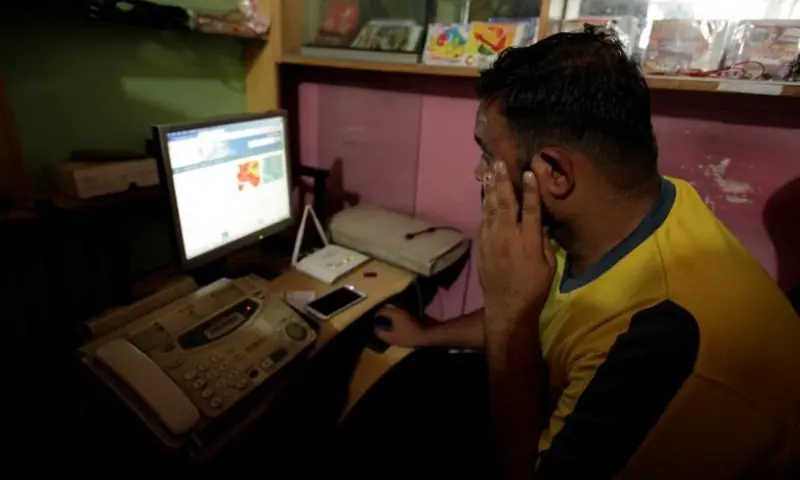
ISLAMABAD: Pakistan has been ranked 27th out of 100 countries and classified as ‘Not Free’ in terms of internet freedom, according to the latest report by US-based watchdog Freedom House. The report cited government measures to expand online censorship, including threats to block virtual private networks (VPNs) and amendments to the country’s cybercrime law that rights groups warned could be misused.
The watchdog noted that between June 2024 and May 2025, Pakistan experienced connectivity disruptions affecting platforms such as WhatsApp and Signal. The authorities restricted internet services in Islamabad during protests supporting former Prime Minister Imran Khan, and implemented website monitoring and blocking technologies. However, access to certain platforms, including X (formerly Twitter), was restored in May 2025 after months of restrictions.
Read More: Internet freedom declines in US, Germany as global restrictions rise
Amendments to the Prevention of Electronic Crimes Act (Peca) signed into law in January 2025 contained ambiguous language that could be used to suppress online speech. The report also highlighted that at least five individuals were sentenced to death during this period in connection with online blasphemy cases. Freedom House further emphasized the military’s strong influence over elections, media, and governance in Pakistan.
The report placed Pakistan alongside other countries, such as Egypt, Russia, Turkiye, and Venezuela, that intensified control over online environments in response to political challenges. In contrast, India, Sri Lanka, and Bangladesh were rated ‘Partly Free’, with higher internet freedom scores. The global review also noted that worldwide internet freedom declined for the 15th consecutive year, with selective restrictions on civil liberties and ongoing threats from militants in various regions.
Read More: Understanding China’s Framing of the Internet as a Public Good