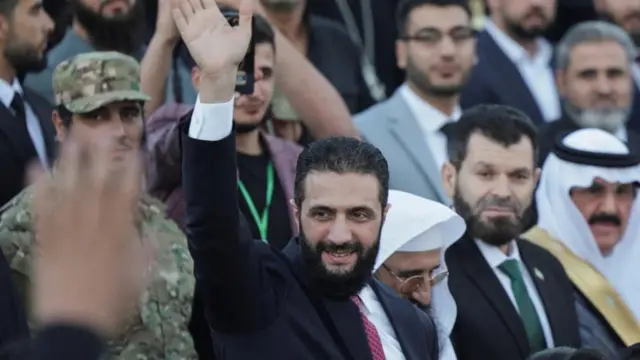
Syria is selecting members of its first parliament after the fall of Bashar al-Assad, but the process has already drawn sharp criticism for being undemocratic and tightly controlled. Interim leader Ahmed al-Sharaa will directly appoint 70 out of 210 members, while local committees handpicked by his electoral commission will choose the rest, raising concerns about fairness and transparency. Critics argue this method effectively concentrates power in Sharaa’s hands, sidelining genuine democratic participation.
Read more : Qatar, Saudi Arabia Announce Major Syria Aid Package
The assembly, expected to have a 30-month renewable mandate, will serve as a temporary legislature under the transitional constitution until a permanent framework and direct elections are introduced. Sharaa, who came to power after Islamist-led forces toppled Assad in December, defended the selection process by saying that millions of displaced and undocumented Syrians make direct elections unfeasible at present. However, opposition figures and rights groups argue this explanation masks an effort to cement political dominance.
Notably, some key regions are excluded from participation. Sweida province, with its Druze majority, and the Kurdish-held northeast—both outside Damascus’s control—will leave 32 parliamentary seats vacant. This exclusion has fueled anger among residents, many of whom believe their political voices are being deliberately ignored. Local activists warn that leaving these communities outside the national framework risks deepening divisions instead of promoting reconciliation after years of devastating conflict.
Candidates face strict eligibility conditions, including bans on promoting secession or having ties to Assad’s former regime. More than 1,500 people are participating, but only 14 percent are women. Among them is Henry Hamra, the first Jewish candidate in Syria since the 1940s, highlighting a rare moment of diversity. Still, civil society groups say the selection process lacks representation for Syria’s minorities and fails to reflect the pluralism necessary for a truly democratic parliament.
International rights organizations have voiced serious concerns, stressing that Sharaa can effectively build a loyal parliamentary majority and marginalize dissenting voices. Activists argue that labeling this process as an “election” undermines the credibility of Syria’s transition. For many Syrians, the hope of political renewal after Assad’s downfall has been clouded by frustration over a process that feels more like control than reform.