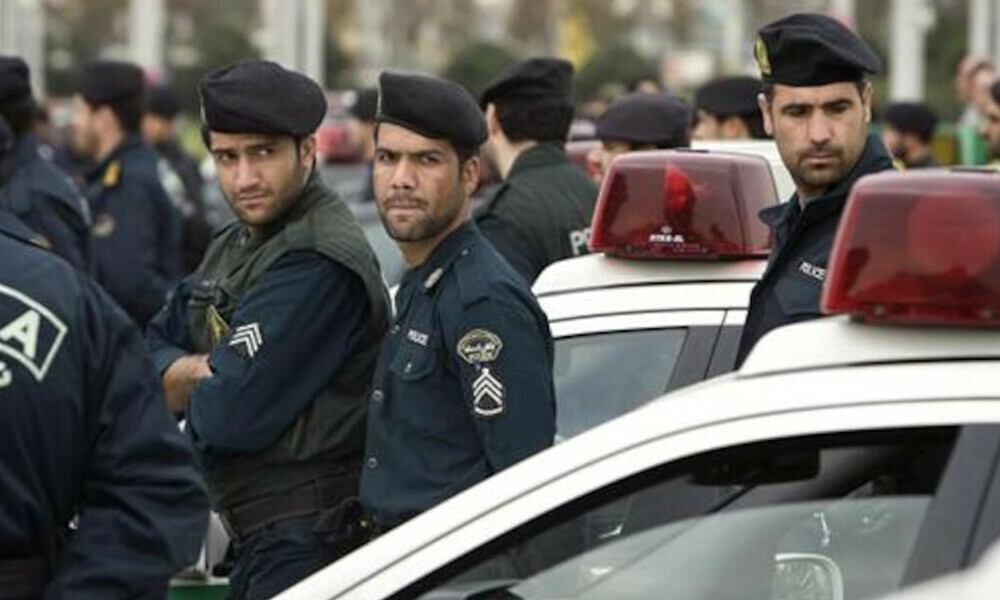
Iranian police arrested 21,000 suspects during the 12-day conflict with Israel in June. The crackdown began after Israeli airstrikes started on June 13. Authorities increased security presence on streets and set up checkpoints. They also urged citizens to report suspicious activities, which led to more arrests. Public reports of suspicious behavior rose by 41 percent during this period.
Officials did not specify what crimes the arrested suspects committed. However, Iranian authorities previously accused some individuals of sharing information that helped Israeli attacks. The conflict also led to faster deportations of Afghan migrants in Iran. Some Afghan nationals were accused of spying for Israel, increasing tensions in the region.
Police rounded up 2,774 illegal migrants during the operation. They also found 30 special security cases after examining suspects’ phones. In total, authorities arrested 261 espionage suspects and 172 people for unauthorized filming. These actions showed Iran’s focus on internal security amid the conflict.
Cybercrime also surged during the war. Iranian police handled over 5,700 cases of online fraud and unauthorized withdrawals. Officials described cyberspace as a new important battlefront. They worked hard to control cyber threats while managing physical security concerns.
Authorities did not disclose how many suspects remain detained. However, Iran’s police vowed to continue strong security efforts. This operation reflects Iran’s response to both external threats and internal challenges during the conflict.