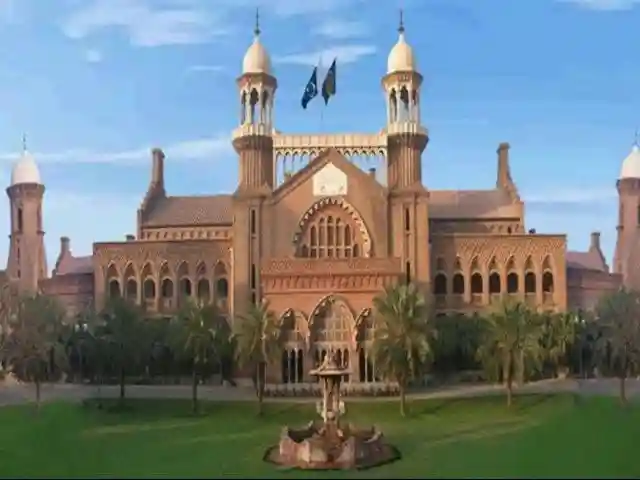
In a landmark decision, the Lahore High Court (LHC) has restored the inheritance rights of three sisters, nearly four decades after they were denied their rightful share. The court declared a fraudulent Tamleek (gift mutation) null and void, which their brother had used to claim exclusive ownership of their late father’s land.
Justice Malik Javed Iqbal Wains ruled that the Tamleek, executed on June 28, 1987, lacked legal proof and was used to unfairly deprive the daughters. The court strongly rejected the brother’s claim that the land was gifted to him out of love and affection, especially since no written consent or credible witness testimony was provided.
The judge stated that disinheriting daughters from their father’s property goes directly against Islamic teachings. He emphasized that the Quran guarantees women’s inheritance rights, and no vague excuse can override divine law. The court warned that misusing gift laws to bypass religious obligations is both illegal and unethical.
Moreover, the judgment criticized the appellate court’s contradictory findings, which initially supported the trial court’s ruling but later reversed its stance without valid reasons. Justice Wains called this a “misreading of evidence” and said it created a miscarriage of justice that required legal correction.
The sisters — Rasheedan, Shakoori, and Shakila — alleged that their brother, Abdul Sattar, manipulated documents and used their father’s illness to secure the gift mutation. At the time, their father was reportedly paralyzed and unable to speak or move, raising further doubt over the authenticity of the land transfer.
Eventually, the LHC restored the original trial court verdict, confirming that the sisters were wrongfully denied their inheritance. The ruling is seen as a powerful message against using cultural loopholes to suppress women’s rights, and a victory for justice delayed but not denied.