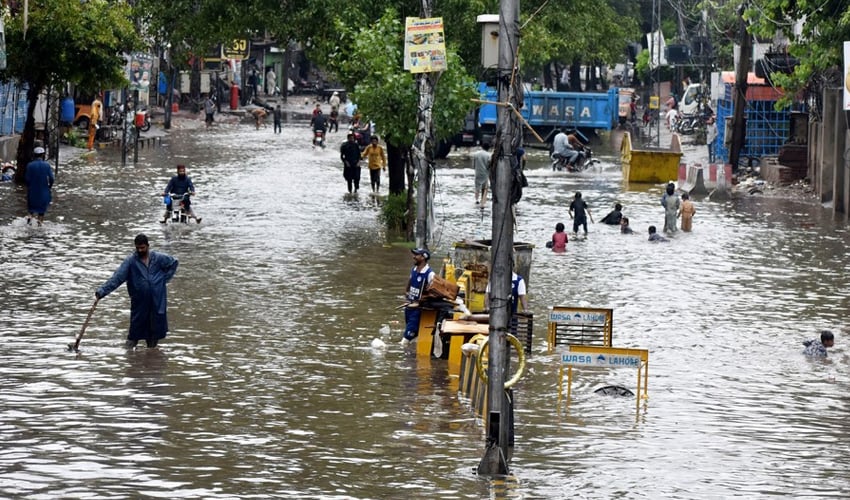
Recent monsoon rains across Pakistan have tragically claimed the lives of over 100 people, including 53 children, according to official figures cited by international news agencies. From June 26 to July 14, torrential rains and severe weather caused widespread flooding and damage in multiple provinces, overwhelming local infrastructure and emergency services.
The majority of deaths were due to electric shocks, highlighting ongoing issues with unsafe electrical systems during heavy rains. Punjab province was the hardest hit, recording 44 fatalities and 134 injuries this monsoon season, as reported by the Provincial Disaster Management Authority (PDMA).
According to PDMA data, the main causes of death included the collapse of old and weakened houses (27 fatalities), lightning strikes (5 deaths), electric shocks (4 deaths), and drowning incidents while bathing or crossing floodwaters (8 deaths). Many affected communities remain vulnerable due to poor housing conditions and inadequate drainage systems, exacerbating the disaster’s impact.
Authorities have issued repeated warnings about the dangers posed by flooding and unstable structures, urging residents to stay alert and avoid risky areas. Emergency response teams are working tirelessly to provide relief, restore essential services, and evacuate those at highest risk.
As Pakistan continues to face intense monsoon rains, experts emphasize the urgent need for improved disaster preparedness, investment in resilient infrastructure, and public awareness campaigns to reduce casualties and protect vulnerable populations.